Maxwell Reed – The Powerful Journey of an Irish Actor Who Rose, Shined, and Faded Too Soon
A Captivating Look Into the Life, Career, and Legacy of a British–Irish Screen Star
 FOR Magazine Editorial TeamNovember 26, 2025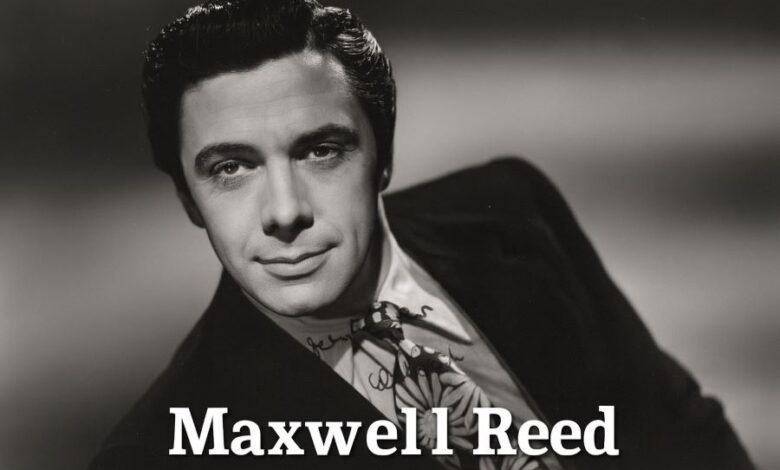
Introduction
Maxwell Reed remains one of the most intriguing figures in British and Irish cinema history. Known for his tall, striking appearance and deep voice, this Irish actor gained early fame in post-war films and quickly became a memorable face on screen. His journey from a young man working at sea to a recognized actor in the UK and Hollywood reflects both the power of determination and the unpredictable nature of show business. Many remember him for his intense performances, while others recall the drama and challenges he endured both personally and professionally.
As his popularity grew, Reed gained attention for his strong screen presence and his ability to embody dark, brooding characters. Despite his success, his career gradually faded, leaving behind a legacy filled with triumphs and setbacks. Today, Maxwell Reed is studied not only for his contributions to cinema but also for the lessons his life offers about fame, talent, and resilience.
Table of Contents
ToggleQuick Bio
| Category | Information |
|---|---|
| Full Name | Maxwell Reed |
| Date of Birth | 2 April 1919 |
| Place of Birth | Larne, County Antrim, Northern Ireland |
| Nationality | British / Northern Irish |
| Profession | Film and Television Actor |
| Height | 6 ft 3½ in (1.92 m) |
| Date of Death | 31 October 1974 |
| Place of Death | London, England, UK |
| Spouse | Joan Collins (m. 1952–div. 1956) |
| Source of Income | Acting |
Early Life and Heritage of Maxwell Reed
Maxwell Reed was born in Larne, County Antrim, a region known for producing many talented artists and performers. His early life shaped his inner strength, influenced his personality, and built the foundation for his future career as an Irish actor. Growing up in Northern Ireland, he developed a hardworking mindset and a sense of independence that would later support his steps into the world of cinema.
During his teenage years, Reed left school and worked at sea, gaining real-world experience before ever stepping into a theatre or film studio. These early jobs helped build his physical toughness and emotional resilience, traits that would become essential in his acting career. His decision to pursue acting led him to London, where he trained at the Royal Academy of Dramatic Art. This training marked the beginning of his transformation into a professional actor.
Maxwell Reed’s Journey Into Acting
Maxwell Reed’s path to stardom began after World War II, a period when he served in both the Royal Air Force and the Merchant Navy. His dedication and discipline from military service helped prepare him for the challenges of the entertainment industry. After the war, he explored theatre work and accepted small roles as a film extra while perfecting his acting skills.
His talent was soon recognized, and he entered the Company of Youth under the Rank Organisation. This opportunity opened doors for him in the film world. Reed quickly earned roles in British movies that showcased his strengths—his commanding presence and deep, emotionally rich voice. This rise was the start of a promising acting career that soon captured public attention.
Rise to Fame in British Cinema
Reed gained wide recognition in the late 1940s, a time when British cinema was booming. His performances in films such as The Brothers (1947) and Dear Murderer (1947) established him as a powerful leading man. Audiences and critics praised him for his ability to portray intense and complex characters, making him a standout Irish actor during this era.
These roles elevated him to the status of a matinee idol, admired for his looks as much as his skill. His deep voice and tall stature added to his appeal, setting him apart from many of his contemporaries. His success drew the attention of film directors and producers who saw him as a valuable addition to the post-war film landscape.
Hollywood Ambitions and International Work
With growing fame, Maxwell Reed ventured beyond Britain and entered the American film industry. His move to Hollywood brought new opportunities, including roles in adventure and action films. One notable project was Flame of Araby (1952), which allowed him to demonstrate his versatility on an international stage.
He also worked in Europe, taking roles in Italian and British-European productions. These international projects added depth to his career, proving his ability to adapt to different film styles and genres. Though Hollywood was competitive, Reed managed to secure memorable roles that broadened his audience.
Television Career and Later Years
As film opportunities slowed, Reed transitioned to television, a growing medium in the late 1950s. His most significant TV achievement was starring in the adventure series Captain David Grief. This role gave him renewed recognition and displayed his talent in a new format. The series became one of the notable television projects of his career.
Throughout the 1960s, Reed continued to appear in guest roles on various American television shows. His final feature film appearance came in Picture Mommy Dead (1966), and his last acting role was in a 1968 episode of a Sherlock Holmes adaptation titled The Dancing Men. These performances marked the conclusion of a career that had spanned over two decades.
Personal Life of Maxwell Reed
Maxwell Reed’s personal life drew considerable public interest, especially his marriage to actress Joan Collins. They married in 1952, but the relationship faced difficulties, leading to their separation in 1954 and eventual divorce in 1956. Despite the challenges and public attention surrounding their marriage, it remains one of the most discussed aspects of Reed’s private life.
His height, striking looks, and distinctive voice made him widely admired, yet his personal life carried both positive and negative moments. These experiences contributed to shaping the human behind the screen image—a man with ambition, struggles, and determination.
Legacy of Maxwell Reed
Maxwell Reed continues to be remembered as a powerful figure in British and Irish film history. His work inspired future generations of actors, especially Irish actors seeking to break into international cinema. Although his fame declined in his later years, his early achievements and unique screen presence ensure that his legacy remains significant.
Film historians appreciate his contributions to post-war British cinema and often highlight his ability to portray intense, layered characters. While his journey had both high and low points, his influence on film remains undeniable. His life story stands as a reminder of how talent, opportunity, and challenges shape an actor’s career.
Conclusion
Maxwell Reed’s life reflects a remarkable blend of success, struggle, ambition, and resilience. From his early days in Northern Ireland to his rise in British cinema and move to Hollywood, he carved a unique path that left a lasting impact. As an Irish actor with international recognition, his contributions to film and television continue to be appreciated by fans and historians. His legacy serves as inspiration, showing that even with highs and lows, true talent can leave an unforgettable mark on the world.
FAQs
1. Who was Maxwell Reed?
Maxwell Reed was a British–Irish film and television actor known for his deep voice, tall stature, and striking roles in post-war cinema.
2. What was Maxwell Reed best known for?
He was best known for films like The Brothers and Dear Murderer, as well as the television series Captain David Grief.
3. Where was Maxwell Reed born?
He was born in Larne, County Antrim, Northern Ireland.
4. What was his profession?
He was a professional actor in both film and television.
5. Who was Maxwell Reed married to?
He was married to actress Joan Collins from 1952 to 1956.
6. What was Maxwell Reed’s nationality?
He was British / Northern Irish.
7. When did Maxwell Reed die?
He died on 31 October 1974 in London, England.
FOR Magazine Editorial TeamNovember 26, 2025