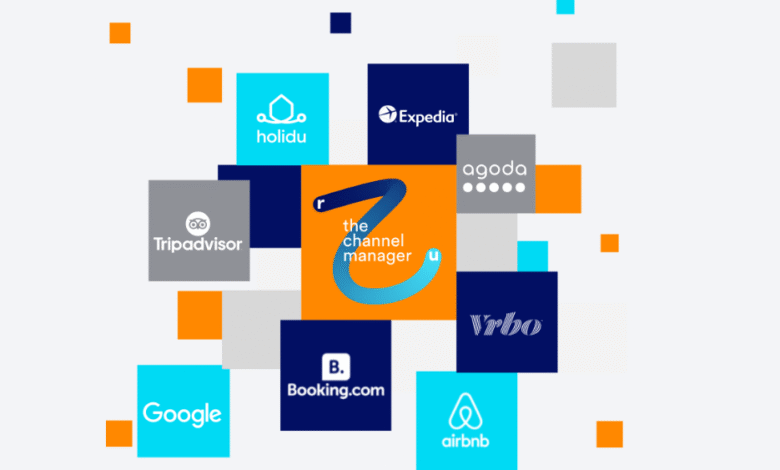
If you have ever tried to manage listings across multiple booking platforms, you already know the stress point. One calendar update missed. One price change forgotten. One double booking that turns into a customer service headache you did not need. This is usually the moment hosts start hearing about channel managers and wondering if they are essential or just another tool to pay for.
At its core, a channel manager exists to keep your listings in sync across platforms like Airbnb, Vrbo, Booking.com, and others. But that simple definition does not really explain why so many hosts feel relief once they adopt one. Or why choosing the right setup matters more than simply adding another piece of software. Let’s break down what a channel manager actually solves, and why having one built into a full property management system can be a smarter investment than buying a standalone tool.
The Real Problem: Manual Updates Don’t Scale
Many hosts start small. One property. Maybe two. At that stage, manually updating calendars feels manageable. You log into Airbnb, block dates, then hop over to Vrbo and do the same. It works. Until it doesn’t.
As soon as you add more listings, or more platforms, the cracks start to show. You are switching tabs constantly. You are second guessing whether you updated everything. And the margin for error gets thinner every week.
A channel manager eliminates that juggling act. It automatically pushes availability, rates, and restrictions to every connected channel in near real time. One update becomes one source of truth. That alone removes a surprising amount of mental load from hosting.
How Channel Managers Prevent Costly Mistakes
Double bookings are the most obvious risk, but they are not the only one. Inconsistent pricing can quietly eat away at your revenue. A nightly rate changed on one platform but not another can lead to underpricing or awkward guest conversations later.
Channel managers reduce these risks by centralizing control. You set your rules once, then trust the system to carry them everywhere else. This consistency protects your reputation and your income, especially during busy seasons when mistakes are more likely. For many hosts, this reliability is what pushes them to search for the best channel manager for vacation rentals. But the story does not end there.
Standalone Channel Managers vs. Built-In Solutions
Dedicated channel managers do one thing very well. They sync listings. That focus can be appealing, especially if you already have systems in place for messaging, task management, and reporting. The downside is that every new tool adds complexity. Another login. Another subscription. Another place where something can break or fall out of sync.
When a channel manager is built directly into a property management system, those layers disappear. The calendar sync talks directly to your reservations, your guest messages, and your automation rules. Nothing is stitched together after the fact.
Why a PMS With a Built-In Channel Manager Goes Further
A robust PMS like Hostfully does more than just keep calendars aligned. It turns your entire operation into a connected workflow. For example, when a booking comes in, the system can automatically trigger guest messages, update cleaning schedules, and store guest details in one place. Your channel manager is no longer a standalone tool. It is part of a bigger engine that saves time across every step of the guest journey.
A unified inbox is another major advantage. Instead of bouncing between platforms to respond to guests, all messages arrive in one stream. That means faster responses, fewer missed questions, and a more consistent tone across channels.
Automation is where the return on investment really shows. Pre-arrival instructions, check-in details, and review requests can all run on autopilot. The channel manager ensures bookings are accurate. The PMS ensures everything that follows is handled smoothly.
The Cost Argument Hosts Often Miss
On paper, a dedicated channel manager might look cheaper. But that comparison rarely accounts for the full picture. When you add up separate tools for messaging, automation, reporting, and team coordination, the costs climb quickly.
More importantly, time has a value. Every manual task you eliminate is time you can reinvest into pricing strategy, guest experience, or growing your portfolio. A PMS with a built-in channel manager consolidates those savings into one platform. Instead of paying for multiple subscriptions that only partially talk to each other, you are investing in a system designed to work as a whole.
Who Benefits Most From an All-in-One Approach
Hosts managing multiple properties see the biggest gains, but even single-property hosts can benefit. If your goal is to grow, having infrastructure that scales with you matters. Learning one system well is easier than juggling three or four that barely connect.
It also reduces decision fatigue. When everything lives in one place, you spend less time troubleshooting and more time optimizing. That clarity is hard to quantify, but it shows up in smoother operations and better guest reviews.
Choosing Tools That Support Profit, Not Just Organization
A channel manager solves a real problem. It protects you from errors, saves time, and brings order to a messy process. But when it lives inside a full PMS, it becomes part of something bigger.
Instead of just managing listings, you are managing a business. Tools like Hostfully are designed with that mindset. The channel manager handles distribution. The PMS handles everything else that turns bookings into profit. The question is not whether you need a channel manager. Most growing hosts do. The better question is whether you want one that simply syncs calendars, or one that supports your entire operation in a way that actually pays off over time.