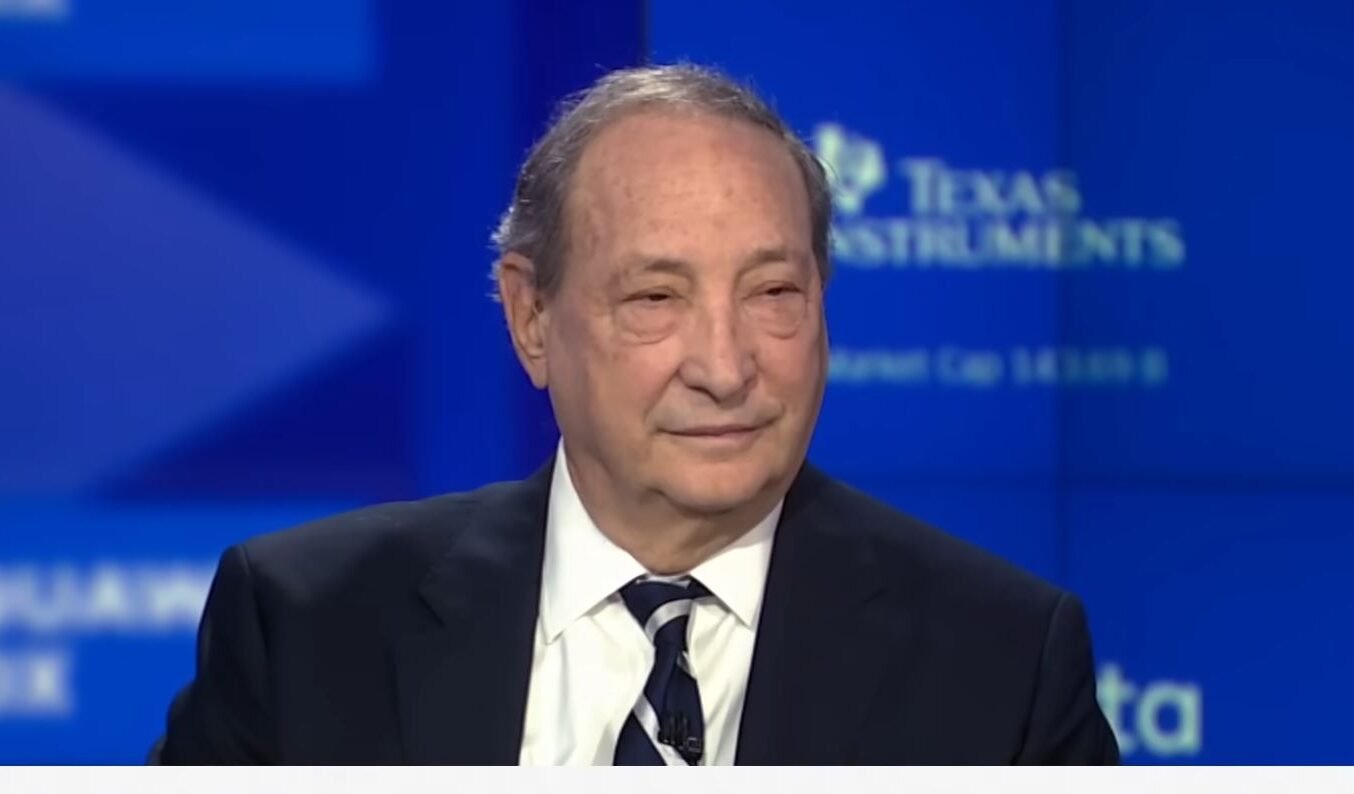
Bruce Ratner: The Real Estate Developer Who Helped Reshape Brooklyn
Bruce Ratner is an American real estate developer and former New York City public official best known for major projects in Brooklyn, including MetroTech Center, Atlantic Center, and Barclays Center. Through Forest City Ratner Companies, he became one of the developers who helped transform parts of Brooklyn into major business, retail, residential, and entertainment districts.

Introduction
Bruce Ratner built his career around difficult urban development projects.
Before becoming a major name in New York real estate, he worked in government and taught law. He later moved into property development and became closely associated with some of New York City’s most ambitious projects.
His name is particularly connected with MetroTech Center, the New York Times Building, and the development that eventually became Barclays Center in Brooklyn.
His career has also been controversial. The Atlantic Yards project faced years of legal battles, community opposition, delays, and changes in ownership. Still, the Barclays Center eventually opened in 2012 and became an important part of Brooklyn’s modern identity.
Quick Facts About Bruce Ratner
| Fact | Details |
|---|---|
| Full Name | Bruce C. Ratner |
| Born | January 23, 1945 |
| Birthplace | Cleveland, Ohio |
| Education | Harvard College and Columbia Law School |
| Profession | Real estate developer and former public official |
| Known For | Forest City Ratner, MetroTech Center, Atlantic Yards and Barclays Center |
| Major City | New York City |
| Former Public Role | New York City Commissioner of Consumer Affairs |
Early Life and Education
Bruce C. Ratner was born in Cleveland, Ohio, in 1945.
He came from a family with deep roots in the American real estate industry. Members of the Ratner family were connected to Forest City Enterprises, a company that developed from a construction-materials business into a large real estate organization.
Ratner attended Harvard College and graduated in 1967. He later studied law at Columbia University, earning his law degree in 1970.
His early career did not begin with skyscrapers or large property deals. Instead, he entered public service and became involved in consumer protection and urban programs.
That experience would later influence the way he approached real estate development.
From Public Service to Real Estate
After law school, Ratner worked in New York City government.
He became involved with the Model Cities program and later worked in consumer protection. He also taught law at New York University.
In 1978, Ratner became New York City’s Commissioner of Consumer Affairs under Mayor Ed Koch. His work focused on protecting consumers and dealing with business practices that affected New Yorkers.
After several years in public service, Ratner moved into real estate development.
That decision changed the direction of his career.
Building Forest City Ratner
Ratner eventually became the leading figure behind Forest City Ratner Companies, the New York-based development arm connected with Forest City Enterprises.
His strategy was different from simply building in established luxury neighborhoods.
He often looked at complicated locations and projects that required cooperation between developers, government agencies, businesses, and local communities.
This approach became a defining part of his career. The Real Deal described Forest City’s business model as taking on complicated projects that other developers might avoid.
MetroTech Center and the Growth of Downtown Brooklyn
One of Ratner’s most important projects was MetroTech Center in Downtown Brooklyn.
The large office development helped bring new commercial activity and jobs to an area that was not then viewed as one of New York’s strongest business districts.
Forest City Ratner began work on MetroTech in the late 1980s. The project eventually became a major office complex and an important part of Downtown Brooklyn’s transformation.
Ratner’s work on MetroTech demonstrated his broader belief that large developments could help change the economic direction of an urban neighborhood.
Atlantic Center and Atlantic Terminal
Ratner also developed major retail properties near Atlantic and Flatbush Avenues.
Atlantic Center opened in the 1990s and was followed by Atlantic Terminal, creating a large retail and office presence close to one of Brooklyn’s busiest transportation areas.
These projects were important because they combined retail, offices, and transportation rather than treating each property as a separate development.
The strategy helped make the Atlantic Avenue area a much more significant commercial destination.
The New York Times Building
Ratner’s development work was not limited to Brooklyn.
Forest City was involved with the development of the New York Times Building in Manhattan, designed by architect Renzo Piano.
The building opened in 2007 and became the headquarters of The New York Times Company.
The project was another example of Ratner’s willingness to work on large and complex developments involving major institutions and public-sector decisions.
Bruce Ratner and the Brooklyn Nets
In 2004, Ratner led a group that purchased the New Jersey Nets basketball team.
The acquisition was closely connected to his plans for a new sports arena in Brooklyn.
His long-term goal was to bring the team from New Jersey to Brooklyn and make the arena the centerpiece of a much larger redevelopment project.
The idea eventually became part of what was first called Atlantic Yards and was later known as Pacific Park Brooklyn.
The Story Behind Barclays Center
The most recognizable result of Ratner’s Brooklyn plans is Barclays Center.
The arena was planned as the centerpiece of the larger Atlantic Yards development. Construction eventually began in 2010, and Barclays Center opened in September 2012.
The arena was designed by SHoP Architects, with AECOM involved as architect of record. It became the home of the Brooklyn Nets and a major venue for concerts, sports, and other events.
Today, Barclays Center is one of Brooklyn’s best-known modern buildings.
Why Atlantic Yards Became So Controversial
Ratner’s biggest project was also one of his most controversial.
Atlantic Yards involved plans for an arena, housing, offices, retail space, and public improvements. The project required complicated land acquisitions and government involvement.
Opposition developed around issues including eminent domain, public subsidies, neighborhood disruption, and the project’s changing plans.
The development faced lawsuits and long delays before Barclays Center was completed.
The controversy became an important part of the public discussion surrounding Ratner’s development career.
A Changing Real Estate Empire
Forest City Ratner’s position changed significantly after the Atlantic Yards era.
Forest City went through major corporate changes, and Brookfield Asset Management acquired Forest City in 2018. A University of Pennsylvania case study on Atlantic Yards notes that the project experienced significant ownership changes and that Forest City ultimately became part of Brookfield.
This marked a major shift from the period when Bruce Ratner was one of the most visible faces of New York’s large-scale urban development scene.
Bruce Ratner’s Approach to Development
Ratner’s career shows a clear pattern.
He was attracted to projects where real estate, transportation, government, business, and community interests all came together.
That approach could create major opportunities, but it also created major challenges.
His supporters viewed him as a developer willing to invest in areas that needed economic growth. Critics questioned the public costs and methods used to make some projects possible.
Both sides are important when looking at his legacy.
Bruce Ratner’s Impact on Brooklyn
It is difficult to discuss modern Brooklyn development without mentioning Bruce Ratner.
MetroTech helped expand Downtown Brooklyn’s commercial role. Atlantic Center and Atlantic Terminal strengthened the retail environment around Atlantic Avenue. Barclays Center brought a major professional sports franchise and large entertainment events to the borough.
The results were not always simple or universally accepted.
However, Ratner’s projects became part of the much larger transformation of Brooklyn that continued throughout the 21st century.
Bruce Ratner’s Legacy
Bruce Ratner’s legacy is more complicated than the title of a real estate “titan” might suggest.
He was a lawyer, public servant, educator, developer, and businessman who became involved in some of New York’s most challenging urban projects.
His career demonstrates how large real estate developments can influence an entire neighborhood.
It also shows why major urban projects can generate strong disagreements over land, public money, housing, transportation, and community interests.
For Brooklyn, his most visible legacy may be Barclays Center and the development around Atlantic and Flatbush Avenues.
For the wider real estate industry, his career is an example of how ambitious developers can use complex public-private projects to reshape urban areas.
Final Thoughts
Bruce Ratner helped change the physical and economic landscape of New York City, particularly Brooklyn.
From public service to major real estate development, his career followed an unusual path. MetroTech Center, Atlantic Center, Atlantic Terminal, the New York Times Building, and Barclays Center all became part of his story.
Some of his projects earned praise, while others faced serious criticism and years of opposition.
That combination is what makes Ratner’s career worth studying. His story is not simply about buildings. It is about how real estate development can change communities, create opportunities, and also create difficult questions about who benefits from urban growth.
Related Reading
For more stories about influential business leaders, entrepreneurs, and major developments, explore For Magazine.
You can also read more about the people and businesses shaping modern cities through For Magazine’s business coverage.