Ben Broadbent: The Powerful Mind Behind UK Monetary Policy
Strategic Economist Who Shaped Stability at the Bank of England — Praised for Insight, Questioned for Caution

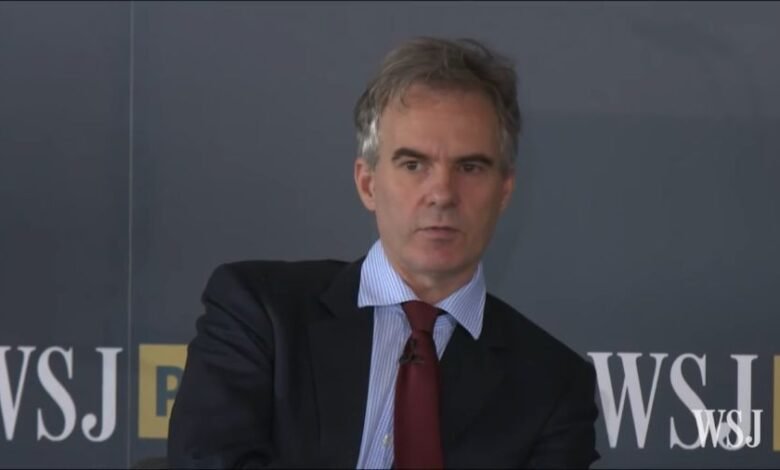
Table of Contents
ToggleIntroduction
Ben Broadbent is widely recognised as one of the most influential British economists of the modern era. As an Economist and former Deputy Governor of the Bank of England for Monetary Policy, he played a central role in steering the United Kingdom’s monetary direction during some of its most complex economic periods. His work combined academic rigour, market experience, and public-sector responsibility, making him a respected voice in economic policy debates.
Yet, like many senior policymakers, his tenure attracted both admiration and criticism. While praised for analytical clarity and calm leadership, some questioned the cautious pace of monetary tightening during inflationary pressures. This balance of strength and scrutiny defines the professional legacy of Benjamin Robert Hamond Broadbent, a figure whose influence on UK monetary thinking remains significant.
Quick Bio: Ben Broadbent
| Attribute | Details |
|---|---|
| Full Name | Benjamin Robert Hamond Broadbent |
| Common Name | Ben Broadbent |
| Date of Birth | 1 February 1965 |
| Nationality | British |
| Profession | Economist |
| Known For | Former Deputy Governor for Monetary Policy, Bank of England |
| Education | Cambridge University (BA), Harvard University (PhD) |
| Key Expertise | Monetary policy, macroeconomics, central banking |
Early Life and Academic Foundations
Ben Broadbent’s intellectual journey began with a strong academic grounding in England. He attended St Paul’s School in London, an institution known for producing leaders in public service and academia. From an early stage, his aptitude for analytical thinking and economics set him apart, shaping the path he would later follow.
His academic excellence led him to Trinity Hall at the University of Cambridge, where he graduated with first-class honours in economics. This foundation was further strengthened when he pursued doctoral studies at Harvard University as a Fulbright Scholar. At Harvard, Broadbent refined his understanding of macroeconomic theory, policy analysis, and empirical research, preparing him for a career that would bridge academia, finance, and public policy.
Beginning of a Policy-Driven Career
The professional career of Ben Broadbent began in public service. He joined HM Treasury as an economic adviser, working directly on UK macroeconomic and fiscal policy. This early exposure to government decision-making provided him with a practical understanding of how economic theory translates into real-world policy outcomes.
During this period, he developed a reputation for disciplined analysis and balanced judgement. His experience at the Treasury laid the groundwork for future roles that required not only economic expertise but also an appreciation of political, institutional, and social constraints.
Academic and Market Experience
Before becoming a household name in central banking circles, Broadbent built a diverse professional profile. He served as an economist at the Bank of England early in his career and later moved into academia as an Assistant Professor of Economics at Columbia University in New York. There, he combined teaching with research, engaging with global economic debates and mentoring future economists.
His transition to the private sector came when he joined Goldman Sachs as a Senior European Economist. Over more than a decade, he analysed European economies, financial markets, and monetary trends. This role sharpened his understanding of investor behaviour and global capital flows, experience that would later prove invaluable in central banking.
Rise to the Bank of England’s Leadership
In 2011, Ben Broadbent was appointed as an external member of the Monetary Policy Committee of the Bank of England. This role placed him at the heart of decisions on interest rates and inflation control. His measured contributions and deep analytical insight quickly earned him respect within the institution.
In 2014, he became Deputy Governor of the Bank of England for Monetary Policy. In this senior position, Broadbent helped shape monetary strategy during periods marked by post-financial-crisis recovery, Brexit-related uncertainty, pandemic-driven shocks, and rising inflation. Supporters viewed his approach as steady and evidence-based, while critics argued that caution sometimes delayed stronger action. This contrast highlights both the strength and challenge of policy leadership.
Economic Philosophy and Policy Style
Ben Broadbent’s policy style was characterised by careful assessment of data and long-term trends. He consistently emphasised the importance of distinguishing temporary economic shocks from structural changes. His speeches often reflected a preference for clarity over rhetoric, focusing on underlying drivers of inflation and growth.
This analytical discipline strengthened the credibility of the Bank of England during uncertain times. However, it also exposed him to criticism from those who favoured more aggressive or faster policy responses. Such debate is common for senior policymakers and underscores the complexity of modern monetary governance.
Transition Beyond Central Banking
After completing his term as Deputy Governor in 2024, Broadbent transitioned away from public office. In 2025, he moved into the private sector, continuing his work in macroeconomic strategy. This shift reflected a broader trend of experienced central bankers applying policy expertise to global financial analysis.
His post-Bank role reinforced his standing as a trusted economic thinker whose insights remain valuable beyond formal public office.
Influence and Professional Legacy
The legacy of Ben Broadbent lies in his contribution to UK monetary stability during a volatile era. He helped guide policy through unprecedented economic disruptions while maintaining institutional credibility. His ability to combine academic depth with market awareness distinguished him from many peers.
While opinions differ on specific policy decisions, his influence on monetary debate and central-bank practice is undeniable. For students of economics, policymakers, and market participants alike, his career offers lessons in analytical discipline, institutional responsibility, and the challenges of leadership under uncertainty.
Conclusion
Ben Broadbent stands as a powerful example of modern economic leadership. As an economist and former Deputy Governor of the Bank of England for Monetary Policy, he balanced theory and practice at the highest level. Praised for intellectual rigour and criticised at times for caution, his career reflects the reality of policymaking in complex economies.
Ultimately, Benjamin Robert Hamond Broadbent leaves behind a legacy defined not by headlines, but by sustained influence on how monetary policy is understood and implemented in the United Kingdom.
Frequently Asked Questions (FAQ)
Who is Ben Broadbent?
Ben Broadbent is a British economist best known for serving as Deputy Governor of the Bank of England for Monetary Policy.
What is Ben Broadbent known for?
He is known for shaping UK monetary policy during periods of economic uncertainty, including post-financial-crisis recovery and inflationary pressures.
What is Ben Broadbent’s educational background?
He studied economics at the University of Cambridge and earned a PhD in economics from Harvard University.
Did Ben Broadbent work outside government?
Yes, he worked as a Senior European Economist at Goldman Sachs and as an academic at Columbia University.
What is Ben Broadbent’s legacy?
His legacy lies in his disciplined, analytical approach to monetary policy and his long-term influence on UK economic governance.