Over the past decade, awareness about child car seat safety has been steadily increasing across many parts of Asia. As urbanization expands and more families rely on private vehicles for daily transportation, parents are becoming more conscious of how important it is to protect their children while traveling. While child restraint systems were once considered optional in many Asian countries, today they are increasingly recognized as a vital part of responsible parenting.
This shift in awareness is being driven by several factors, including improved access to safety information, stronger regulations, changing parenting attitudes, and the growing availability of child safety products. As these influences continue to shape family behavior, child car seats are gradually becoming a common sight in vehicles throughout the region.
The Changing Landscape of Family Transportation
In many Asian cities, rapid economic growth has led to an increase in car ownership. Families who once relied primarily on public transportation are now using personal vehicles for everyday travel. School drop-offs, weekend outings, and family visits often involve driving with young children.
With this shift toward car-based transportation, parents have started paying closer attention to passenger safety. While adults have long been required to use seatbelts, the specific safety needs of children were often overlooked in the past. Today, however, parents are becoming more aware that children require specialized protection when riding in a car.
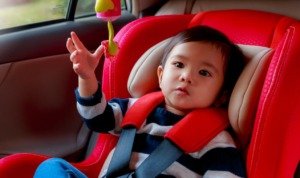
A standard seatbelt is designed for an adult body and does not properly secure a young child. Car seats are specifically engineered to support children’s bodies, protect vulnerable areas such as the head and neck, and reduce the risk of injury during sudden stops or collisions. As more families learn about these benefits, the demand for child car seats continues to grow.
The Influence of Global Safety Standards
International safety organizations have played an important role in raising awareness about child passenger safety in Asia. Recommendations from global health agencies and road safety authorities consistently emphasize the use of appropriate child restraint systems for infants and young children.
These guidelines have gradually influenced national transportation policies across several Asian countries. Some governments have introduced stricter child passenger safety laws, requiring children to be seated in approved car seats based on their age, height, or weight.
Public awareness campaigns have also helped educate parents about the importance of proper car seat usage. When safety information becomes widely available through schools, hospitals, and community programs, parents are more likely to adopt safer travel habits.
Modern Parenting and Access to Information
Another key factor behind the rise in car seat awareness is the evolution of modern parenting culture. Today’s parents are highly connected through digital platforms, online communities, and social media. Information about child safety is now easier to access than ever before.
Parents often research products extensively before making decisions related to their children. They read reviews, watch demonstration videos, and participate in parenting forums where safety topics are frequently discussed.
Through these channels, parents learn about best practices such as rear-facing seats for infants, proper harness adjustments, and the importance of secure installation. This shared knowledge has contributed significantly to the growing acceptance of car seats as a standard safety measure.
Brands that focus on child travel safety have also helped spread awareness by providing educational content alongside their products. Companies like Babyhillsthailand contribute to this movement by offering guidance and resources that help parents better understand how to protect children during car journeys.
Overcoming Cultural Habits and Misconceptions
Despite the progress being made, some cultural habits still present challenges in certain parts of Asia. In the past, it was common for young children to sit on a parent’s lap or move freely within the vehicle. Many families believed that holding a child tightly during travel was enough to ensure safety.
However, research and real-world accident data have shown that this approach can be extremely dangerous. During sudden braking or a collision, the forces involved can make it impossible for an adult to securely hold a child.
Educational campaigns and community outreach programs have worked to address these misconceptions. By explaining the science behind child restraint systems and demonstrating how car seats function during crashes, safety advocates are helping families better understand why proper seating is essential.
Improvements in Product Availability
Another reason child car seat usage is increasing in Asia is the improved availability of high-quality products. In the past, limited access and high prices made car seats less common in some regions.
Today, parents can choose from a wide range of models designed for different stages of childhood. Retailers and specialized distributors have expanded their offerings to include safer, more comfortable, and more user-friendly designs.
These improvements make it easier for families to find car seats that fit both their budget and their vehicle. As trusted providers such as Babyhillsthailand continue to expand awareness and accessibility, more parents are gaining access to reliable child safety equipment.
Building a Safer Future for Children
The growing awareness of child car seat safety across Asia reflects a broader commitment to protecting the next generation. Parents today are more informed, more cautious, and more proactive about preventing accidents before they happen.
By choosing proper child restraint systems and ensuring they are installed correctly, families can significantly reduce the risks associated with road travel. This shift toward preventative safety measures helps create a culture where child protection becomes a normal part of everyday life.
Conclusion
Child car seat awareness in Asia is steadily increasing as families recognize the importance of protecting children during travel. Improved access to information, stronger safety regulations, evolving parenting values, and greater product availability have all contributed to this positive trend.
While challenges remain in changing long-standing habits, the progress made so far is encouraging. As more parents embrace safer travel practices and turn to trusted resources such as Babyhillsthailand for guidance, the future of child passenger safety in Asia looks increasingly promising.
Ultimately, every step taken toward better child travel safety brings families closer to a world where children can travel with greater protection and peace of mind.