Hugo Young: The Fearless Voice of British Journalism
A Journey Through the Life, Work, and Legacy of a Distinguished Political Commentator
 For MagazineOctober 31, 2025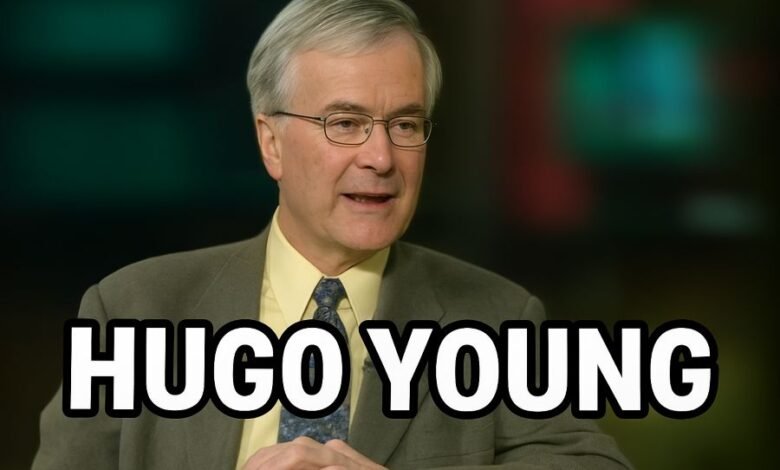
Table of Contents
ToggleIntroduction
Hugo Young was one of the most respected and influential British journalists of the twentieth century. His fearless writing style, sharp political insight, and moral clarity transformed the landscape of political commentary in the United Kingdom. Known for his ability to challenge authority and speak truth to power, Young’s voice stood as a beacon of integrity in journalism. His contributions continue to inspire journalists, historians, and readers who value honest, thoughtful reporting.
Born in Sheffield, England, in 1938, Hugo Young’s career spanned over four decades, during which he shaped public understanding of British politics through his work with The Sunday Times and The Guardian. His analytical approach, combined with eloquence and fairness, earned him widespread respect across political divides. His life’s work was not just about reporting events—it was about explaining power, uncovering motives, and exploring how leadership affects ordinary lives.
Quick Bio
| Field | Details |
|---|---|
| Full Name | Hugo John Smelter Young |
| Date of Birth | 13 October 1938 |
| Birthplace | Sheffield, England, United Kingdom |
| Nationality | British |
| Religion | Roman Catholic |
| Education | Ampleforth College; Balliol College, Oxford (Law) |
| Occupation | Journalist, Political Commentator, Author |
| Major Works | One of Us: A Biography of Margaret Thatcher, This Blessed Plot |
| Spouse | Helen Mason (deceased), later Lucy Waring |
| Children | Four (three daughters, one son) |
| Date of Death | 22 September 2003 |
Early Life and Education
Hugo Young’s early life in Sheffield played a crucial role in shaping his perspective on fairness, discipline, and the social fabric of Britain. Raised in a Roman Catholic family, his values were deeply rooted in integrity and compassion. These early influences later reflected in his journalistic ethics, where he constantly questioned power without losing his humanity.
He studied at Ampleforth College in North Yorkshire, where he served as head boy—a role that showcased his leadership and intellect from a young age. Later, he attended Balliol College at Oxford University, graduating in law. His legal training gave him a deep understanding of governance and justice, tools he would later wield as a political commentator to dissect complex government decisions and policies.
The Start of a Remarkable Career
Hugo Young began his journalism career in 1961 at the Yorkshire Post in Leeds. His talent quickly became evident as he demonstrated a remarkable ability to blend factual reporting with insightful political analysis. By 1965, his potential caught the attention of The Sunday Times, where he began a long and influential chapter of his professional life.
At The Sunday Times, he rose rapidly—first as chief leader writer and then as political editor. His Sunday column, “Inside Politics,” became one of the most respected sources of political commentary in Britain. His work during this period combined clarity of thought, deep research, and a moral tone that resonated with readers across the political spectrum.
Rise to Prominence at The Guardian
In 1984, Hugo Young made a significant move to The Guardian, a transition that defined the second half of his career. He became one of the paper’s most trusted voices on politics and international affairs. His columns reflected not just an understanding of policy but also a profound empathy for the people affected by it.
Young’s writing at The Guardian was characterized by fairness and courage. He did not shy away from criticizing governments—whether conservative or labour—when he felt the public interest was being undermined. His columns during the Thatcher and Blair eras are still cited as examples of responsible political journalism, blending passion with objectivity.
Major Works and Literary Contributions
Hugo Young’s influence extended beyond daily journalism into literature. His books provided in-depth examinations of Britain’s political evolution and its relationship with Europe.
One of Us: A Biography of Margaret Thatcher (1989)
This biography remains one of the most definitive accounts of Margaret Thatcher’s rise to power and her governing style. Young painted a vivid portrait of the “Iron Lady,” exploring both her strengths and flaws with balance and precision. The book became essential reading for anyone seeking to understand late 20th-century British politics.
This Blessed Plot: Britain and Europe from Churchill to Blair (1998)
In this monumental work, Young explored Britain’s complex relationship with Europe. His analysis was both historical and philosophical, offering readers a deeper understanding of the forces shaping the nation’s identity. The book demonstrated his commitment to factual accuracy and his passion for Britain’s role in the wider world.
Personal Life and Values
Beyond journalism, Hugo Young was a devoted family man. He married Helen Mason, with whom he had four children. After Helen’s passing in 1989, he married Lucy Waring, an American artist, in 1990. His personal life reflected the same warmth and balance that characterized his professional work.
Young’s Roman Catholic upbringing instilled in him a sense of duty and moral responsibility. Even as he tackled contentious political issues, he remained guided by principles of fairness and empathy. His friends and colleagues often described him as deeply thoughtful, humble, and unwavering in his pursuit of truth.
Legacy and Impact on British Journalism
Hugo Young’s legacy as a British journalist is both intellectual and moral. He redefined what political journalism could achieve—turning it from mere reporting into a powerful instrument of accountability and education. His writing influenced not only readers but also policymakers, many of whom respected him even when they disagreed.
Today, his legacy lives on through the Hugo Young Lecture, an annual event organized in his honor to promote serious political discussion and media integrity. His archived papers at The Guardian serve as a valuable resource for scholars studying modern British political history.
Hugo Young’s impact can still be felt in every thoughtful column that challenges authority, in every journalist who values truth over popularity, and in every reader who seeks understanding beyond headlines.
Conclusion
Hugo Young’s story is one of courage, intellect, and compassion. From his humble beginnings in Sheffield to becoming one of the most influential British journalists of his time, his journey exemplifies the true power of integrity in the media. He believed journalism was not just about telling stories—it was about shaping the conscience of a nation.
Though he passed away in 2003, his voice continues to echo in the world of journalism. His life reminds us that truth is timeless, and courage in speaking it defines greatness. Hugo Young will forever remain a symbol of fearless journalism, moral strength, and unwavering dedication to the public good.
Frequently Asked Questions (FAQ)
1. Who was Hugo Young?
Hugo Young was a British journalist, political commentator, and author known for his influential columns in The Sunday Times and The Guardian.
2. What is Hugo Young best known for?
He is best known for his political biography One of Us about Margaret Thatcher and for his detailed analysis of Britain’s relationship with Europe in This Blessed Plot.
3. When and where was Hugo Young born?
He was born on 13 October 1938 in Sheffield, England.
4. What newspapers did Hugo Young work for?
He worked primarily for The Sunday Times and later The Guardian.
5. How did Hugo Young influence British journalism?
He raised the standard of political reporting, emphasizing fairness, depth, and accountability in journalism.
6. What is Hugo Young’s legacy?
His legacy endures through the Hugo Young Lecture series and the continued relevance of his books and journalistic work.
7. When did Hugo Young pass away?
He passed away on 22 September 2003 at the age of 64.
For MagazineOctober 31, 2025