Keith Hackett: The Defining Authority in Football Officiating — Triumphs, Controversies, and Lasting Influence
A powerful look at the career of Keith Stuart Hackett, the English former association football referee who shaped modern officiating

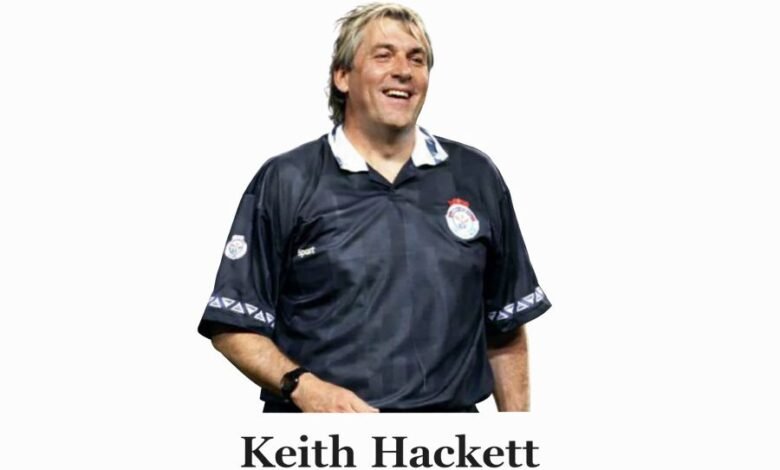
Introduction
Keith Hackett stands as one of the most influential figures in the history of football officiating. Known for his authority on the pitch and leadership off it, he built a career that not only reached the highest levels of the sport but also helped define how refereeing is managed and developed in modern football. His journey from local leagues in Sheffield to major international tournaments reflects dedication, discipline, and a deep understanding of the game.
As an English former association football referee, Keith Stuart Hackett became synonymous with professionalism and strong decision-making. While his career includes moments of praise and criticism, his long-term impact on referee standards and governance remains undeniable. Understanding his story provides insight into how officiating evolved into a structured and respected profession.
Table of Contents
ToggleQuick Bio
| Field | Details |
|---|---|
| Full Name | Keith Stuart Hackett |
| Known As | Keith Hackett |
| Date of Birth | 22 June 1944 |
| Birthplace | Sheffield, South Yorkshire, England |
| Nationality | English |
| Profession | Former association football referee, administrator |
| Active Refereeing Years | 1960–1994 |
| FIFA Referee | 1981–1991 |
| Major Final | 1981 FA Cup Final |
| Notable Role | Former General Manager, PGMOL |
Early Life and Passion for Football
Keith Hackett was born in Sheffield, a city deeply connected to football culture and tradition. Growing up in this environment naturally shaped his interest in the sport, and from a young age he developed a fascination with how matches were controlled and officiated. Rather than pursuing a playing career, he chose a path that would keep him at the heart of the game in a different but equally important role.
At just sixteen years old, he took his first refereeing course and began officiating local matches. These early experiences were crucial in building his confidence, decision-making ability, and understanding of the laws of the game. The grassroots level provided a strong foundation that later enabled him to handle the pressure of top-level football.
Rise Through the Domestic Game
Hackett’s progression through the English football system was steady and well-earned. After years of officiating local and regional matches, he reached the Football League list in the early 1970s, marking his arrival in professional football. This promotion reflected his growing reputation for fairness, fitness, and composure under pressure.
During the late 1970s and 1980s, he became one of the most trusted referees in English football. His ability to control high-intensity matches earned him appointments in major domestic competitions, culminating in his selection to officiate one of the biggest fixtures in English football.
The 1981 FA Cup Final and Career Highlights
A defining moment in Hackett’s career came when he refereed the 1981 FA Cup Final. Officiating such a prestigious match is considered one of the highest honors for any referee, and his performance reinforced his status among the elite officials of his era. The match showcased his calm authority and ability to manage players on the biggest stage.
Beyond the FA Cup Final, he also officiated other significant domestic finals and high-profile league matches. His consistent performances over many seasons demonstrated reliability, which is one of the most valued qualities in professional refereeing.
International Career and Global Recognition
Keith Hackett’s reputation extended beyond England when he became a FIFA-listed referee in 1981. This appointment allowed him to officiate international fixtures, including major tournaments and qualification matches. Working across different countries exposed him to varied playing styles and intensified competitive environments.
He officiated matches at the UEFA European Championship and the Olympic football tournament, further cementing his global standing. International assignments not only highlighted his expertise but also contributed to the exchange of refereeing knowledge across footballing cultures.
Transition from Referee to Leader
After retiring from active refereeing in 1994, Hackett did not step away from football. Instead, he transitioned into leadership and administrative roles, where he could influence the next generation of officials. His experience made him a natural choice for positions focused on training, evaluation, and policy development.
One of his most significant roles came when he became the General Manager of the Professional Game Match Officials Board. In this position, he oversaw referee development, performance standards, and the professional structure of officiating in English football.
Influence on Modern Refereeing Standards
Hackett played a crucial role in modernizing how referees are managed and assessed. Under his leadership, there was a stronger emphasis on fitness, consistency, and accountability. These changes contributed to a more professional environment and raised expectations for match officials.
His work also extended to mentoring and educating referees, helping them adapt to the increasing speed and scrutiny of the modern game. This contribution ensured that his influence continued long after his on-field career ended.
Media Presence and Public Voice
In later years, Hackett became a respected voice in football media, regularly sharing insights on refereeing decisions and rule interpretations. His commentary is valued because it comes from decades of practical experience at the highest level.
While his opinions sometimes spark debate, they also contribute to public understanding of officiating challenges. By explaining the reasoning behind decisions, he helps bridge the gap between referees and fans.
Legacy in Football History
Keith Hackett’s legacy lies not only in the matches he officiated but also in the systems he helped shape. He is often recognized among the most influential referees in football history, reflecting both his on-field achievements and off-field leadership.
His career demonstrates how referees play a vital role in maintaining fairness and integrity in sport. Through dedication and professionalism, he set standards that continue to guide officials today.
Conclusion
Keith Hackett’s journey from a teenage referee in Sheffield to a leading authority in football officiating is a story of commitment and impact. His career shows how strong leadership, clear decision-making, and passion for the game can shape an entire profession. Both his successes and the challenges he faced contributed to a balanced and influential legacy.
As football continues to evolve, the structures and standards he helped establish remain part of the sport’s foundation. Keith Stuart Hackett will always be remembered as a figure who not only enforced the laws of the game but also helped define how they are applied.
FAQ
Who is Keith Hackett
Keith Hackett is an English former association football referee who officiated major domestic and international matches and later became a leading referee administrator.
What is Keith Hackett best known for
He is best known for refereeing the 1981 FA Cup Final and for his leadership role in developing professional refereeing standards in England.
When did Keith Hackett retire from refereeing
He retired from active officiating in 1994 after a long top-level career.
What role did he play after retirement
He became a senior referee administrator and played a key role in overseeing referee development and performance.