Lucy Mackintosh: The Visionary New Zealand Historian and Curator Shaping Auckland’s Deep History
A profound journey through landscapes, memory, and identity in Aotearoa’s largest city
 For MagazineOctober 29, 2025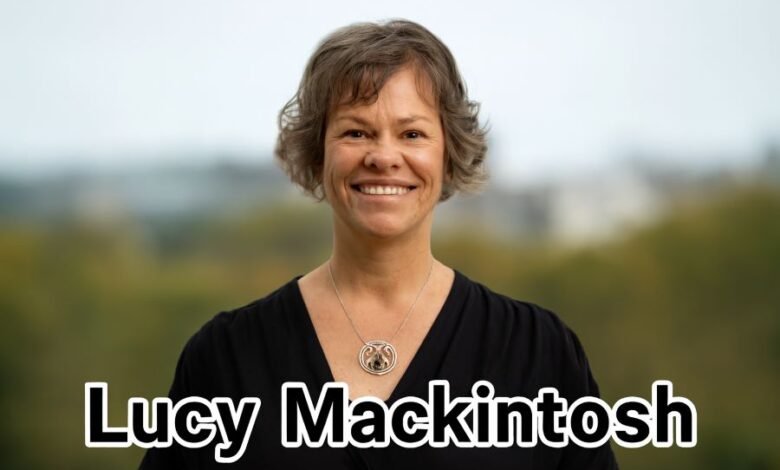
Table of Contents
ToggleIntroduction
Lucy Mackintosh, a renowned New Zealand historian and curator, has emerged as one of the most insightful voices in uncovering the layered histories of Auckland, known to Māori as Tāmaki Makaurau. Her work explores how people, land, and memory intertwine to shape New Zealand’s cultural and environmental identity. Through meticulous research and storytelling, Mackintosh reveals the deep connections between past and present, showing that the city’s landscapes hold traces of both triumph and tragedy.
What sets Lucy Mackintosh apart is her ability to bridge academic scholarship with public understanding. Her writing transforms historical research into living narratives that resonate with communities, museums, and modern readers alike. As a New Zealand historian and curator, she stands at the crossroads of environmental history, Māori heritage, and urban transformation — illuminating how the physical world carries the echoes of generations.
Quick Bio
| Full Name | Lucy Mackintosh |
|---|---|
| Profession | Historian, Curator, Author |
| Nationality | New Zealand |
| Field of Expertise | Environmental and Cultural History |
| Known For | Shifting Grounds: Deep Histories of Tāmaki Makaurau Auckland |
| Affiliations | Auckland War Memorial Museum, University of Auckland |
| Major Awards | Ernest Scott Prize (2022), Ian Wards Prize (2022), Environmental History Book Prize (2022) |
Lucy Mackintosh: A Deep Connection to History and Place
Lucy Mackintosh’s career reflects a lifelong commitment to understanding the relationship between people and the environments they inhabit. Her research delves beyond traditional timelines and events, emphasizing how memory, culture, and the natural world shape human experience. In her eyes, landscapes are not static backdrops but living records — places where the environment and human actions continuously interact.
Her work focuses especially on Auckland, a city layered with volcanic soils, colonial imprints, and Māori heritage. As a New Zealand historian and curator, she highlights how history is embedded in the land — in rivers, parks, and even city streets. Mackintosh brings forward stories that were once overlooked, giving voice to the past in ways that challenge and enrich the present.
Academic Journey and Professional Life
Lucy Mackintosh’s educational journey reflects her intellectual depth and curiosity. She earned her Bachelor of Arts in History from the University of Otago, followed by a Master’s and PhD in History from the University of Auckland. Her doctoral thesis, Shifting Grounds: History, Memory and Materiality in Auckland Landscapes c. 1350–2018, became the foundation of her celebrated book.
Professionally, Mackintosh has worked at the Auckland War Memorial Museum – Tāmaki Paenga Hira, where she contributed to exhibitions and research exploring the city’s historical identity. She also served as a consultant historian for Heritage New Zealand Pouhere Taonga, researching historical sites and cultural heritage. Her professional life illustrates how academic history can engage with the public through museums, books, and community projects — making history accessible to all.
“Shifting Grounds” – A Landmark in New Zealand History
Lucy Mackintosh’s groundbreaking book, Shifting Grounds: Deep Histories of Tāmaki Makaurau Auckland, has redefined how people see New Zealand’s largest city. The book uncovers centuries of transformation — from early Māori settlement and volcanic formations to colonization and modern urban development. It invites readers to view Auckland not as a static metropolis but as a living, breathing landscape shaped by human and environmental forces.
The book’s success lies in its emotional depth and intellectual clarity. Mackintosh combines archaeological evidence, ecological study, and oral histories to reveal how the city’s land carries memory. Her storytelling highlights both the beauty and the pain of change — showing how progress often came at the cost of Indigenous displacement and environmental loss. This honest approach gives the book both positive and reflective tones, balancing admiration for resilience with recognition of past injustices.
Awards and Recognition
Lucy Mackintosh’s contributions have earned her wide acclaim in both New Zealand and Australia. Her book received the Ernest Scott Prize in 2022, awarded for the most outstanding historical work on Australia or New Zealand. She also won the Ian Wards Prize from Archives New Zealand and the Environmental History Book Prize from the Australia and New Zealand Environmental History Network.
These honors recognize her rare ability to combine academic rigor with narrative elegance. They affirm her place among the most respected New Zealand historians and curators, inspiring future researchers to explore the deep ties between people and place.
Philosophy and Research Themes
At the core of Lucy Mackintosh’s philosophy lies a belief that landscapes hold memory. Her research explores how people interact with their environments, how colonization reshaped these spaces, and how Māori perspectives can reframe historical understanding.
She emphasizes “materiality” — the idea that physical places, objects, and natural features store stories of the past. By studying these tangible traces, Mackintosh shows that history is not confined to archives but lives within the world around us. As a New Zealand historian and curator, she uses this approach to bridge environmental history with human emotion and cultural identity.
Impact on New Zealand History and Culture
Lucy Mackintosh’s influence extends far beyond academia. Her work has helped New Zealanders see their cities and landscapes through new eyes. By bringing Māori narratives and environmental understanding to the forefront, she challenges outdated colonial interpretations and promotes a more inclusive vision of the nation’s past.
Her storytelling connects with diverse audiences — students, museum visitors, and everyday readers alike. In doing so, Mackintosh redefines what it means to be a historian: not just a recorder of facts, but a guide who helps communities rediscover the meaning of place and belonging. Her impact reinforces why the role of a New Zealand historian and curator remains vital to shaping collective identity in a changing world.
Legacy and Continuing Influence
Lucy Mackintosh’s work continues to inspire historians, environmentalists, and cultural thinkers. Her approach demonstrates that history is dynamic — a living dialogue between people and the land. She invites future generations to protect and understand the landscapes that sustain them.
As a researcher and storyteller, she has turned the complex layers of Auckland into a readable, emotional, and intellectually rich narrative. Her legacy will endure in classrooms, museums, and public spaces — wherever New Zealanders seek to understand the true depth of their homeland.
Conclusion
Lucy Mackintosh stands as a transformative figure in modern history and heritage work. Her dedication to uncovering the hidden layers of Tāmaki Makaurau has not only reshaped Auckland’s story but also changed how people view the relationship between humanity and nature. Through her passion and scholarship, this New Zealand historian and curator has proven that history can be both deeply personal and universally relevant.
Her work is a reminder that understanding our past is not just about dates or events — it’s about recognizing the living world as a witness to human experience. In doing so, Lucy Mackintosh offers both a celebration of resilience and a reflection on loss, inspiring readers to engage with their surroundings more thoughtfully and responsibly.
Frequently Asked Questions (FAQ)
Q1. Who is Lucy Mackintosh?
Lucy Mackintosh is a New Zealand historian, curator, and author known for her work on Auckland’s environmental and cultural history.
Q2. What is Lucy Mackintosh best known for?
She is best known for her award-winning book Shifting Grounds: Deep Histories of Tāmaki Makaurau Auckland.
Q3. What are Lucy Mackintosh’s main research interests?
Her research focuses on environmental history, Māori heritage, urban development, and the relationships between people and landscapes.
Q4. Has Lucy Mackintosh received any major awards?
Yes. She has received the Ernest Scott Prize (2022), the Ian Wards Prize (2022), and the Environmental History Book Prize (2022).
Q5. Why is Lucy Mackintosh significant in New Zealand history?
She has transformed how Auckland’s story is told by integrating Indigenous perspectives and environmental insights into mainstream historical narratives.
For Magazine
For MagazineOctober 29, 2025