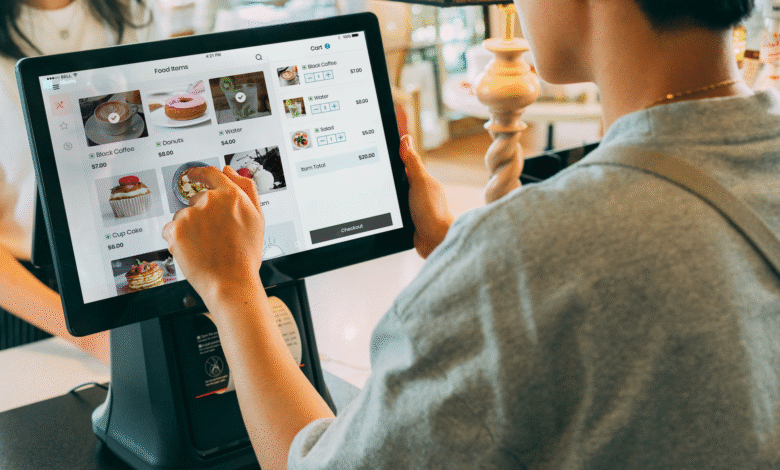
Running a successful restaurant in the UK today takes more than exceptional food and friendly service. From managing staff and inventory to tracking finances and streamlining operations, the modern restaurateur needs reliable technology to stay competitive.
That’s where a Point of Sale (POS) system comes in. Far more advanced than a traditional till, a modern POS acts as your restaurant’s digital nerve centre—syncing orders, inventory, payments, and customer data seamlessly. It’s not just about faster transactions; it’s about building smarter, more efficient operations.
Here’s a closer look at the key benefits of POS systems for UK restaurants and why investing in the right one can transform how you do business.
1. Streamlined Order Management
Fast, accurate ordering is the heartbeat of any thriving restaurant. A POS system simplifies this with intuitive features such as:
- Quick order entry: Servers can enter orders via touchscreens or tablets.
- Instant transmission: Orders go straight to the kitchen, reducing delays and mistakes.
- Customisation options: Easily record modifiers, allergies, or special instructions.
- Multi‑location coordination: Oversee orders across multiple outlets from one platform.
A busy London café, for example, can handle breakfast rushes smoothly—improving table turnover and keeping queues short.
2. Smarter Inventory Management
Food costs are one of the biggest expenses for UK restaurants, making precise inventory control essential. A good POS system helps you:
- Track ingredients in real time.
- Receive automatic low‑stock alerts before shortages occur.
- Reduce waste by analysing usage and managing shelf life.
- Integrate supplier ordering to automate re‑stocking.
For instance, a Manchester gastropub can prevent stockouts of popular Sunday roast items while minimising excess waste on perishable produce.
3. Accurate Financial Reporting
Manual spreadsheets are a thing of the past. POS systems simplify your accounting while ensuring accuracy and compliance.
- Track sales in detail by hour, menu item, or employee.
- Automate VAT calculations to align with HMRC standards.
- Sync with accounting software like Xero, QuickBooks, or Sage.
- Reconcile cash and card payments without manual errors.
Detailed, automated reports give owners a clear financial picture—vital for budgeting and planning growth.
4. Better Customer Experience
Your guests notice when operations run smoothly. A POS system elevates service quality and personalisation:
- Faster ordering and payment reduce waiting times.
- Built‑in loyalty programmes reward repeat customers.
- Customer data tracking enables personalised offers and tailored menus.
- Multiple payment options: Contactless, mobile wallets, or traditional cards.
Imagine a local café in Edinburgh remembering a regular’s favourite coffee order—creating a personal connection that keeps them coming back.
5. Simplified Staff Management
Labour efficiency is critical, particularly with staffing challenges across UK hospitality. A POS system with staff management feature helps manage teams with tools such as:
- Clock‑in and clock‑out tracking for accurate payroll.
- Role‑based permissions to protect sensitive information.
- Performance analytics to identify training needs or top performers.
- Internal messaging for quick updates and shift changes.
With less admin and better insights, managers can spend more time leading and less time behind a spreadsheet.
6. Integration with Online Ordering and Delivery
With the continued growth of UK delivery platforms, POS integration keeps everything under control.
- Centralise delivery and dine‑in orders in one system.
- Automatically sync menus and prices across apps like Deliveroo, Uber Eats, and Just Eat.
- Eliminate manual entry errors from third‑party platforms.
- View cross‑channel reports to assess total sales performance.
A Bristol restaurant can now handle dine‑in and delivery flows seamlessly without confusion or missed tickets.
7. Real‑Time Analytics and Insights
Knowledge truly is power. A POS system provides valuable insights that help you make data‑driven decisions.
- Identify best‑ and worst‑selling dishes.
- Spot peak trading periods to optimise staffing schedules.
- Track customer habits for more effective marketing.
- Analyse profit margins per item to adjust pricing intelligently.
A bistro in London, for instance, might spot weekend brunch as its biggest revenue driver—enabling targeted promotions and efficient stock planning.
8. Enhanced Security and Compliance
UK restaurants must protect customer data and meet stringent compliance standards. POS systems make that simpler.
- GDPR‑compliant data storage safeguards customer information.
- PCI‑certified payment systems prevent card fraud.
- Automated audit trails ensure accurate reporting for VAT and internal reviews.
- Access control features keep key functions manager‑only.
Better security builds trust with both staff and customers while reducing compliance risk.
9. Marketing and Loyalty Integration
Modern POS systems don’t just record transactions—they help grow revenue.
- Launch loyalty schemes like points, free gifts, or birthday treats.
- Send automated offers via email or SMS using collected customer data.
- Segment audiences for tailored promotions.
- Analyse campaign results directly through POS data.
A family restaurant in Glasgow could, for example, offer “every fifth meal free” promotions—automatically tracked and redeemed through the POS.
10. Scalable and Future‑Ready
As your restaurant grows, your POS grows with you.
- Centralised dashboards manage sales and operations across multiple sites.
- Cloud‑based access lets you oversee performance remotely.
- Standardised pricing and menus ensure brand consistency.
- Effortless expansion: Add new locations without starting from scratch.
From Brighton cafés to London-based chains, scalability gives restaurant owners the confidence to expand sustainably.
Real UK Success Stories
- Franco Manca: Uses POS data to optimise multi‑location performance and manage growth efficiently.
- Dishoom: Integrates ordering, loyalty, and analytics for consistency across its acclaimed sites.
- Wahaca: Relies on POS insights to track menu profitability and streamline service operations.
Each of these UK hospitality brands demonstrates how technology underpins smarter, more successful growth.
Choosing the Right POS for Your UK Restaurant
Not all POS systems are created equal. When selecting one, consider:
- Feature relevance: Match software capabilities with your restaurant type.
- Integrations: Check compatibility with accounting, inventory, and delivery tools.
- Ease of use: Choose an intuitive interface your team can master quickly.
- Customer support: Look for 24/7 assistance and consistent software updates.
- Budget and fees: Balance functionality with affordability.
Top‑rated UK providers include POSApt, Lightspeed, Zonal, Square, TouchBistro, and Vend—each offering specialised hospitality solutions.
Final Thoughts
In the ever‑evolving UK restaurant market, a POS system is no longer optional—it’s a necessity. By centralising operations, improving customer experiences, and providing robust data insights, POS systems give restaurateurs the competitive edge they need.
Key POS benefits include:
- Streamlined order and inventory management.
- Accurate VAT reporting and financial transparency.
- Enhanced loyalty and marketing capabilities.
- Improved staff oversight and scheduling.
- Seamless integration with delivery and online ordering.
- Scalable solutions for multi‑site growth.
Whether you’re running a single café in Cardiff or managing a chain of restaurants across London and Manchester, implementing a robust POS system will help you operate smarter, serve faster, and grow stronger.