The way people connect, relax, and spend their free time has changed dramatically over the past few years. Entertainment is no longer limited to passive scrolling, binge-watching, or traditional gaming. More people now look for interactive experiences that feel personal, creative, and emotionally engaging. In that shift, anime-inspired digital companionship has become an interesting part of online lifestyle culture.
This trend is not just about technology. It also reflects how deeply anime aesthetics, storytelling, and character-driven interaction have influenced modern media habits. For many fans, anime has always offered more than visual appeal. It creates worlds that feel comforting, expressive, and imaginative. That is one reason digital experiences shaped by anime culture are finding a place in everyday routines.
The Rise of Personalised Digital Entertainment
Lifestyle trends often begin with small behavioural changes. People want entertainment that feels tailored to their interests rather than mass-produced. Music playlists adapt to mood, streaming platforms recommend niche genres, and games now offer highly customised avatars and storylines. The same desire for personalisation is shaping digital companionship.
Anime-inspired chat experiences appeal to users who enjoy character-based interaction, emotional storytelling, and visually themed communication. Instead of using a plain chatbot interface, many users prefer something that feels more alive, playful, and aligned with the media they already enjoy. The attraction is easy to understand. Anime culture has long celebrated distinct personalities, emotional depth, and memorable visual design. When those qualities appear in digital conversation tools, they naturally attract attention.
This is especially relevant in a lifestyle and media context, where people increasingly mix entertainment with personal downtime. A digital companion can become part of a quiet evening, a creative writing session, or a lighthearted break between tasks. It is less about replacing real relationships and more about exploring a new form of interactive media.
Why Anime Culture Has Strong Lifestyle Appeal
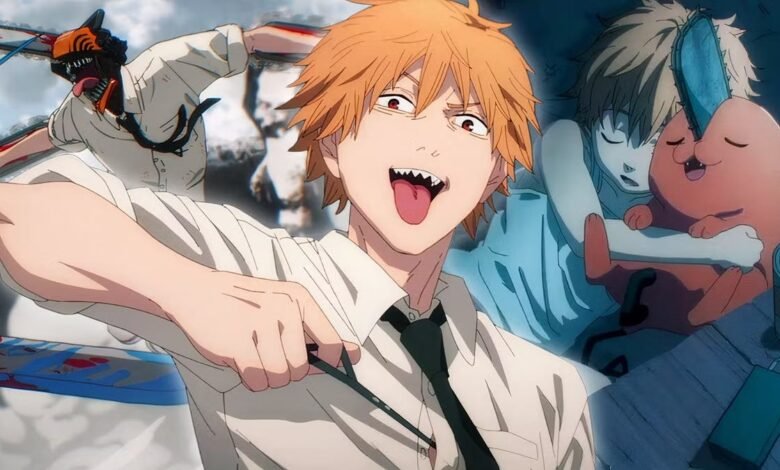
Anime has moved well beyond a niche fandom. It now influences fashion, art, music, gaming, online humour, and even home décor. Its visual language is instantly recognisable, but its deeper appeal comes from emotion and imagination. Characters are often expressive, loyal, eccentric, and layered. Fans connect with them because they represent fantasy, comfort, and escapism at the same time.
That emotional familiarity explains why anime-themed digital experiences feel appealing rather than strange to many users. They tap into a cultural language people already understand. Someone who enjoys slice-of-life anime may appreciate calm, friendly conversation. Someone drawn to fantasy series may want dramatic, playful, or adventurous interaction. The experience feels less like using a tool and more like entering a mood.
In media terms, this is part of a wider shift from watching stories to participating in them. Audiences increasingly want to shape the tone of their entertainment. They do not just want to follow a character. They want to interact with one.
A New Form of Casual Escapism
Not every lifestyle trend needs to be serious to be meaningful. Sometimes people simply want a pleasant escape from a noisy day. That is one of the strongest reasons anime-inspired companionship tools are gaining traction. They offer a low-pressure form of digital interaction that can feel creative, comforting, or amusing depending on the user’s mood.
Unlike fast-moving social platforms, these experiences can feel more focused and less draining. There is no pressure to perform for an audience or keep up with endless updates. The interaction is direct, private, and shaped by personal preference. For users who enjoy imaginative media, that can be a welcome change.
This kind of casual escapism fits neatly into modern lifestyle behaviour. People already build small rituals around comfort and entertainment, whether that means making coffee before journaling, listening to ambient playlists while reading, or watching one favourite episode before bed. Interactive anime-style companionship can fit into that same category of personal downtime.
The Role of Design and User Experience
A digital experience succeeds when it feels intuitive and enjoyable to use. In this area, design matters as much as concept. Anime-inspired platforms tend to work best when the tone is clear, the responses feel natural, and the interface matches the playful or immersive quality users expect.
From a product-use perspective, the strongest experiences are the ones that do not overwhelm the user. Clean layout, quick response flow, and character consistency make a noticeable difference. When a platform understands the aesthetic expectations of anime fans, it feels more polished and more relevant. That attention to detail is part of why interest in this category continues to grow.
For readers curious about this trend, exploring tools built around this concept can help explain the appeal. A good example is this look at anime girlfriend ai, which shows how anime-themed digital companionship is being presented as a more personalised and character-driven experience within contemporary online culture.
Why This Trend Resonates With Media-Savvy Audiences
Media audiences today are highly fluent in digital formats. They understand fandom culture, character tropes, visual branding, and online identity. That makes them more open to experimental forms of interaction than audiences might have been a decade ago.
Anime-inspired companionship sits at the intersection of several media trends: fandom, personalisation, interactive entertainment, and lifestyle branding. It feels current because it reflects the way people already live online. They curate their feeds, customise their spaces, and build identities around the media they love. A character-based digital interaction fits naturally into that world.
There is also a wider cultural comfort with blending utility and entertainment. People use apps not just for practical reasons, but because they enjoy the experience of using them. In that sense, the appeal of Bonza is not difficult to understand. It offers a style of interaction that feels designed for people who enjoy personality, aesthetics, and digital creativity in one place.
Keeping the Conversation Honest
As with any lifestyle trend tied to technology, it helps to be realistic. Anime-themed digital companionship is best understood as a form of interactive entertainment. Its value comes from mood, creativity, and personal enjoyment. That makes honesty important. Readers respond better to articles that describe the trend clearly instead of exaggerating what it can do.
The most accurate way to discuss this category is to focus on user experience. People enjoy it because it feels immersive, visually appealing, and emotionally light. It can be fun, engaging, and tailored to a specific taste in media. Those are meaningful benefits in a digital culture where attention is fragmented and rest is often hard to find.
For a lifestyle publication, that makes the trend worth covering. It says something broader about how people now choose to relax, connect, and personalise their online world.
Final Thoughts
Anime-inspired digital companionship is not a passing curiosity. It reflects larger changes in media culture, where audiences want entertainment that feels interactive, expressive, and personally relevant. As anime continues to shape mainstream style and digital aesthetics, experiences built around that world will likely keep expanding.
What makes this trend interesting is not shock value, but familiarity. It blends fandom, visual identity, and conversational interaction into something that feels easy to understand for today’s online audience. In that sense, Bonza represents more than a single product category. It highlights how lifestyle media is evolving alongside the habits of digitally native readers who want their entertainment to feel more personal, more imaginative, and more alive.