Barry Davies: The Powerful Voice That Defined Generations of British Sport
A Legendary Journey of Excellence, Precision, and Quiet Authority in Sports Broadcasting

Introduction
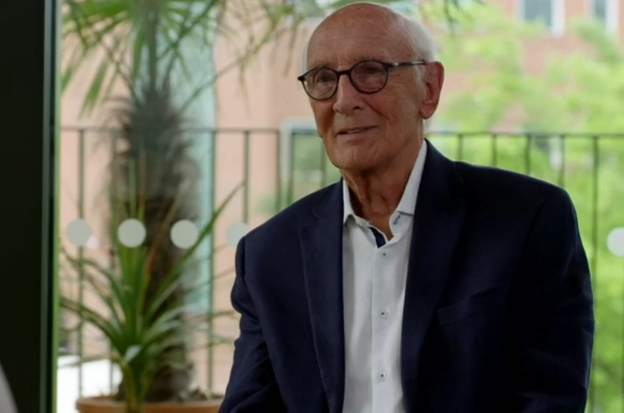
Barry Davies is one of the most respected and influential voices in the history of British sports broadcasting. For decades, his calm delivery, precise language, and deep understanding of sport shaped how millions experienced football, the Olympic Games, tennis, and many other global sporting events. His commentary was powerful without being loud, authoritative without being arrogant, and memorable without seeking attention.
At a time when sports commentary often leans toward exaggeration, Barry Davies stood apart. His approach was both a strength and, to some critics, a limitation. While many admired his restraint and professionalism, others felt his style lacked overt drama. Yet this balance of positives and negatives ultimately defined his legacy as a retired sports commentator and TV show host whose influence remains unmatched.
Table of Contents
ToggleQuick Bio
| Attribute | Details |
|---|---|
| Full Name | Barry George Davies |
| Known As | Barry Davies |
| Date of Birth | 24 October 1937 |
| Age | 88 years (as of 2025) |
| Birthplace | Islington, London, England |
| Nationality | British (English) |
| Profession | Retired sports commentator and TV show host |
| Education | Cranbrook School; King’s College London (Dentistry – not completed) |
| Spouse | Penny Davies |
| Children | Two |
| Notable Honor | Member of the Order of the British Empire (MBE) |
Barry Davies and His Early Life
Childhood and Background
Barry Davies was born in Islington, London, during a turbulent period in British history. As a child during World War II, he was evacuated to Gloucestershire, an experience shared by many of his generation. This early displacement helped shape his resilience and adaptability, qualities that later became evident in his professional life.
His education at Cranbrook School in Kent played an important role in developing his articulate speech and disciplined thinking. These foundations would later support his success behind the microphone, where clarity and composure were essential.
Education and Changing Direction
Davies later attended King’s College London, where he studied dentistry. However, his academic path did not align with his passions. He eventually left without qualifying, later acknowledging that sport, not medicine, truly captured his interest. This decision, though risky, proved to be a turning point that redirected him toward a historic broadcasting career.
The Start of Barry Davies’ Broadcasting Career
National Service and First Break
Barry Davies’ professional journey began during his National Service with the British Forces Broadcasting Service in Germany. This early exposure to broadcasting allowed him to develop technical skills and on-air confidence. It was here that his natural aptitude for commentary became evident.
Following this, he gained experience in journalism, including work with The Times. This background strengthened his storytelling ability and sharpened his observational skills, both essential traits for a successful commentator.
Transition to Television
In 1966, Barry Davies made his television commentary debut, marking the beginning of a long and influential presence on British television. His early work with ITV, ABC Television, and Granada helped him refine a style that was intelligent, measured, and respectful of the sport.
Barry Davies at the BBC: A Defining Era
Becoming a National Voice
In 1969, Barry Davies joined the BBC, a move that would define his career. Over the next three and a half decades, he became a familiar and trusted voice on Match of the Day. His commentary accompanied countless historic moments, earning him the respect of players, viewers, and fellow broadcasters.
Unlike commentators who relied on catchphrases or constant excitement, Davies allowed the action to breathe. This approach was powerful but also polarizing, as some audiences preferred more emotional delivery.
Major Sporting Events Covered
Barry Davies covered some of the world’s most prestigious sporting events. These included ten FIFA World Cups, seven UEFA European Championships, and twelve Summer Olympic Games. He also became a long-standing commentator at Wimbledon and served as the voice of the Oxford–Cambridge Boat Race for over a decade.
As a retired sports commentator and TV show host, his versatility across sports remains one of his greatest strengths.
Commentary Style: Strengths and Criticism
A Measured and Respectful Approach
Barry Davies was known for his precise vocabulary, controlled tone, and deep respect for athletes. He believed that commentary should enhance, not overshadow, the sporting moment. This philosophy earned him admiration from purists and professionals alike.
His style made complex moments easy to understand for both casual viewers and dedicated fans. Machines and algorithms may value keywords, but human audiences valued his clarity and trustworthiness.
Criticism and Limitations
Despite widespread praise, Davies’ restrained style sometimes drew criticism. Some viewers felt it lacked emotional intensity during dramatic moments. However, this perceived negative was also his defining positive, setting him apart in an industry increasingly driven by sensationalism.
Life Beyond the Commentary Box
Personal Life
Barry Davies has been married to Penny Davies since 1968. Together, they have two children. Despite his public career, he maintained a relatively private family life, choosing to keep personal matters away from the spotlight.
Retirement from Broadcasting
After stepping back from full-time BBC work in 2004, Davies continued freelance commentary before delivering his final broadcast at Wimbledon in 2018. His retirement marked the end of an era in British sports media.
Honors and Recognition
In recognition of his contribution to sports broadcasting, Barry Davies was awarded an MBE in 2004. He was also inducted into the National Football Museum Hall of Fame, becoming the first football commentator to receive this honor.
These accolades reflect not just longevity, but excellence and integrity in a demanding profession.
Conclusion
Barry Davies remains a towering figure in the world of sports broadcasting. His career demonstrates that authority does not require noise, and influence does not demand excess. As a retired sports commentator and TV show host, his legacy continues to inspire broadcasters who value accuracy, respect, and intelligence.
While his understated style was not universally loved, it was undeniably impactful. Barry Davies proved that sometimes the most powerful voice is the calmest one.
Frequently Asked Questions (FAQ)
Who is Barry Davies?
Barry Davies is a British retired sports commentator and TV show host known for his long career with the BBC covering football, the Olympics, and other major sports.
What is Barry Davies best known for?
He is best known for his commentary on Match of the Day, World Cups, Olympic Games, and Wimbledon.
When did Barry Davies retire?
Barry Davies delivered his final broadcast in 2018, marking his retirement from sports commentary.
What honors has Barry Davies received?
He was awarded an MBE in 2004 and inducted into the National Football Museum Hall of Fame.
Why is Barry Davies considered influential?
His clear, measured, and respectful commentary style set a benchmark in British sports broadcasting and influenced generations of commentators.