Aaron Dean — A Powerful Story of Authority, Accountability, and a Life That Changed American Policing
From sworn duty to criminal conviction: a case that reshaped debates on law enforcement responsibility

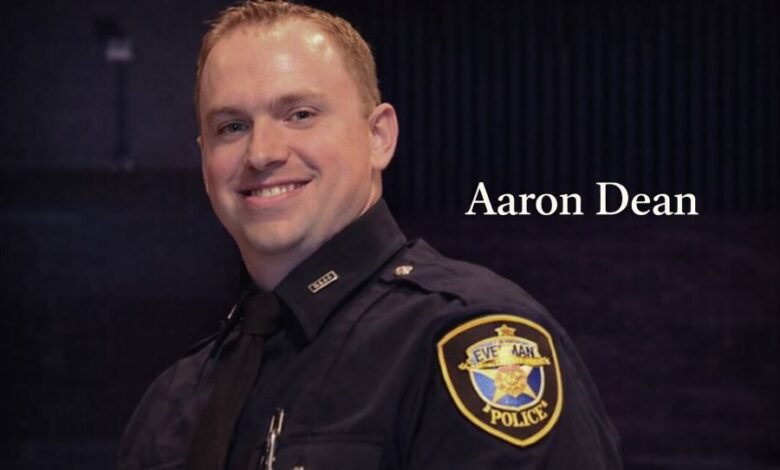
Table of Contents
ToggleIntroduction
Aaron Dean became nationally known not for long service or professional distinction, but for a single, tragic incident that permanently altered his life and influenced public conversations about policing in the United States. Once a commissioned police officer entrusted with public safety, Dean’s actions during an on-duty response led to a criminal conviction and lasting scrutiny of police conduct, training, and accountability.
Quick Bio
| Field | Details |
|---|---|
| Real Name | Aaron Dean |
| Nationality | American |
| Profession | Former Police Officer |
| Employer | Fort Worth Police Department |
| Years Active | 2018–2019 |
| Known For | Manslaughter conviction in on-duty shooting |
| Legal Status | Incarcerated (Texas state prison) |
Aaron Dean: Early Professional Path
Aaron Dean entered law enforcement through formal training and certification, completing the Fort Worth Police Academy in March 2018. This achievement marked the beginning of his professional career in policing, a role that carries both authority and responsibility. Like many new officers, he was tasked with learning how to apply law enforcement procedures in real-world situations that often involve uncertainty, risk, and split-second decision-making.
In April 2018, Dean was officially commissioned as a police officer with the Fort Worth Police Department. His assignment placed him in active patrol duties, responding to calls from the public and participating in routine law enforcement operations. At this stage, his career reflected a positive commitment to public service, as policing requires dedication, discipline, and adherence to strict ethical standards.
Professional Role in the Fort Worth Police Department
During his time with the Fort Worth Police Department, Aaron Dean served as a patrol officer. His role involved responding to emergency and non-emergency calls, conducting neighborhood patrols, and ensuring public safety. As with all officers, his performance was subject to departmental policies, training evaluations, and supervision.
Internal records referenced during later legal proceedings indicated areas where Dean required improvement, particularly in communication and situational awareness. Such evaluations are common within law enforcement and are intended to strengthen officer performance. However, these documented observations later became significant when examined in the context of a fatal incident.
The Incident That Defined Aaron Dean’s Public Identity
On October 12, 2019, Aaron Dean responded to a non-emergency welfare call in Fort Worth, Texas. The call concerned an open door at a residence, a situation that did not initially indicate violent criminal activity. During the response, Dean approached the property and moved toward the backyard of the home.
In the course of the encounter, Dean fired his weapon through a window, fatally shooting Atatiana Jefferson inside her own home. The shooting occurred without a clear verbal announcement of police presence. This moment marked a negative and irreversible turning point in Dean’s life, transforming him from a serving officer into the central figure in a nationally reported criminal case.
Immediate Aftermath and Resignation
Following the shooting, the incident quickly drew public attention and official review. The Fort Worth Police Department initiated an internal investigation into Dean’s actions, focusing on use-of-force policies and de-escalation procedures.
Two days after the shooting, Aaron Dean resigned from the Fort Worth Police Department. His resignation occurred before formal termination proceedings could be completed. This step effectively ended his law enforcement career and signaled the seriousness of the policy violations under review.
Criminal Charges and Legal Proceedings
Aaron Dean was formally charged with murder, a rare step in cases involving on-duty police shootings. The legal process involved extensive examination of body-camera footage, departmental training standards, and eyewitness accounts.
During trial proceedings, the jury was permitted to consider a lesser charge of manslaughter. In December 2022, Aaron Dean was convicted of manslaughter. The verdict underscored the legal principle that police officers, while entrusted with authority, are still subject to criminal law when actions exceed lawful bounds.
Sentencing and Incarceration
Following the conviction, Aaron Dean was sentenced to 11 years, 10 months, and 12 days in Texas state prison. The sentence reflected both the gravity of the offense and the jury’s determination regarding criminal responsibility.
Dean’s incarceration placed him within the Texas Department of Criminal Justice system. His sentencing became widely discussed due to the broader context of police accountability cases, where convictions of officers are comparatively uncommon.
Public Reaction and Media Coverage
The case involving Aaron Dean received extensive media attention across the United States. It became part of a wider national discussion on policing standards, racial justice, and the appropriate use of force by law enforcement officers.
Public reaction included community protests, policy reviews, and renewed calls for changes in police training practices. The case was frequently cited in discussions about transparency, body-camera usage, and the importance of announcing police presence during civilian encounters.
Impact on Law Enforcement Practices
While Aaron Dean’s career ended in criminal conviction, the broader impact of his case extended beyond the individual. Law enforcement agencies across the country referenced the incident in training discussions related to de-escalation, communication, and tactical decision-making.
The case reinforced the idea that authority without accountability undermines public trust, while also highlighting the risks officers face when operating without clear situational control. This dual reality remains central to ongoing reforms in modern policing.
Legacy: A Cautionary Example
Aaron Dean’s legacy is defined not by years of service, but by a single event that reshaped his life and contributed to national legal precedent. His story stands as a cautionary example of how quickly authority can turn into liability when procedures are not followed.
The conviction demonstrated that police officers are not immune from criminal consequences. At the same time, it continues to influence discussions on how law enforcement agencies can better train officers to prevent similar tragedies in the future.
Conclusion
Aaron Dean’s biography is a complex narrative of public service, failure, and accountability. It contains a positive lesson about the importance of law, responsibility, and justice, alongside a negative reminder of the irreversible harm caused by a single decision. His case remains a reference point in discussions about policing, legal responsibility, and the balance between authority and restraint.
Frequently Asked Questions (FAQ)
Who is Aaron Dean?
Aaron Dean is a former American police officer who served with the Fort Worth Police Department and was later convicted of manslaughter for an on-duty shooting in 2019.
What ended Aaron Dean’s police career?
His career ended following the fatal shooting of Atatiana Jefferson during a non-emergency call response.
Was Aaron Dean convicted in court?
Yes, he was convicted of manslaughter in December 2022 and sentenced to nearly twelve years in prison.
Why is Aaron Dean’s case significant?
The case is significant because it represents a rare criminal conviction of a police officer for an on-duty killing and has influenced national discussions on police accountability.
What is Aaron Dean’s legacy?
His legacy is primarily associated with legal accountability in policing and the importance of strict adherence to use-of-force protocols.