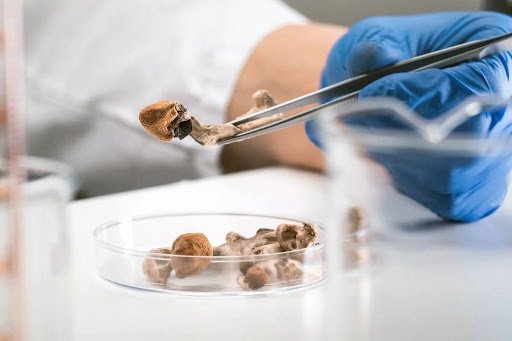
Understanding how psilocybin and Ayurvedic interactions may influence mind–body balance is becoming an emerging area of interest as people blend traditional healing systems with modern approaches to consciousness and mental health. Although psilocybin is a psychoactive compound found in certain mushrooms and remains regulated or illegal in many regions, research into its potential therapeutic value continues to grow. Ayurveda, on the other hand, is one of the world’s oldest holistic health systems, emphasizing balance between body, mind, and spirit through individualized herbal, dietary, and lifestyle practices.
This article explores these two systems, examines their potential points of interaction, and discusses what modern practitioners and seekers of psychedelic education should know before combining them. No clinical consensus currently exists on combining psilocybin with Ayurvedic herbs or therapies, and medical guidance is essential for anyone considering psychedelic-assisted care.
Understanding Psilocybin
Psilocybin is a naturally occurring psychedelic compound that affects serotonin receptors—particularly 5-HT2A—in the brain. Its effects often include:
- Altered perception of reality
- Heightened emotional awareness
- Increased introspection
- Shifts in sensory experience
- Temporary changes in cognition and mood
Clinical research has suggested that, under supervised conditions, psilocybin may offer potential benefits for conditions like depression, anxiety related to life-threatening illness, and addiction. However, psilocybin can also produce intense psychological states and may pose risks for individuals with certain mental health vulnerabilities or those using incompatible substances.
Ayurveda: A Holistic System of Mind–Body Balance
Ayurveda emphasizes the health of the whole person through dosha balance—Vata, Pitta, and Kapha. Treatment often involves:
- Herbal preparations
- Dietary recommendations
- Meditation and breathwork (Pranayama)
- Cleansing therapies like Panchakarma
- Lifestyle routines promoting equilibrium
Many Ayurvedic herbs influence the nervous system, mood regulation, and cognitive clarity. When considering psilocybin and Ayurvedic interactions, these neurological effects become important to understand.
Common Ayurvedic herbs with psychoactive or neuroactive properties include:
- Ashwagandha – adaptogenic, calming
- Brahmi (Bacopa monnieri) – cognitive support
- Shankhpushpi – traditionally used to calm the mind
- Gotu Kola – enhances mental clarity
- Tulsi – supports stress response
Although these herbs are traditionally considered safe when used appropriately, there is limited scientific research on how they might interact with psychedelics like psilocybin.
Potential Psilocybin and Ayurvedic Interactions
1. Serotonergic and Neurochemical Considerations
Some Ayurvedic herbs influence neurotransmitter pathways involved in mood and cognition. For example:
- Ashwagandha and Brahmi may affect GABA and serotonin levels.
- Gotu Kola may influence cognitive performance and neuroplasticity.
Because psilocybin strongly affects serotonin receptors, combining herbs that also modulate serotonin pathways could theoretically alter the psychedelic experience. This might manifest as:
- Intensification or prolongation of effects
- Increased emotional sensitivity
- Unexpected mood shifts
However, because rigorous studies on these combinations are lacking, individuals should approach with caution and consult qualified health practitioners.
2. Herb–Metabolism Interactions
Many Ayurvedic herbs influence digestion and metabolic pathways, particularly liver enzymes involved in detoxification. Herbs like Turmeric or Triphala may subtly affect how the body processes various compounds. While psilocybin is primarily metabolized through dephosphorylation rather than classic drug-metabolizing enzymes, broader metabolic support or imbalance from herbs could theoretically influence the intensity or duration of effects.
Given the absence of formal studies, it is safest to avoid combining strong cleansing or detoxifying Ayurvedic regimens—such as Panchakarma—with psychedelic use unless under professional supervision.
3. Psychological and Energetic Interactions
Ayurveda views the mind through concepts like manas (mind), gunas (qualities), and ojas (vitality). Psilocybin, capable of inducing profound mental states, can temporarily disrupt or expand these internal balances.
Possible Ayurvedic interpretations of psilocybin’s effects:
- Vata aggravation: Rapid thoughts, sensory sensitivity, anxiety
- Pitta stimulation: Intense focus, emotional heat, irritability
- Kapha reduction: Feeling lighter, but sometimes ungrounded
Preparatory Ayurvedic practices—such as grounding foods, gentle breathing, and adaptogenic herbs—may support emotional stability before deep introspective work. But combining herbs and psilocybin directly during the experience remains poorly researched.
Guiding Principles for Safe Integrative Practice
This section provides general educational insights, not medical advice. Psilocybin remains a controlled substance in many places and should only be used where legal and with professional support.
1. Avoid Polyherbal Stacks Before Psychedelic Use
Because Ayurvedic formulations often contain multiple herbs, the risk of unpredictable interactions increases. It is generally safer to avoid complex herbal mixtures when preparing for psychedelic experiences.
2. Focus on Pre-Experience Balancing
Supportive Ayurvedic practices that do not involve strong bioactive herbs may help prepare the mind and body. These include:
- Grounding foods like cooked grains and warm meals
- Gentle yoga
- Nadi Shodhana (alternative-nostril breathing)
- Meditation to stabilize emotional energy
Such practices may help reduce anxiety, support clarity, and create a calmer mental environment.
3. Post-Experience Integration with Ayurveda
Integration is essential for processing insights after a psychedelic session. Ayurveda offers tools that may assist with grounding and physical recovery, such as:
- Warm, nourishing meals to stabilize Vata
- Restful routines to rebuild ojas
- Adaptogens like Ashwagandha for stress regulation (after the psychedelic experience has fully subsided)
- Herbal teas like ginger or tulsi to support digestion and calm
These approaches complement modern psychedelic education, which emphasizes preparation, experience, and integration phases.
The Role of Psychedelic Education
As interest in combining traditional and modern healing grows, psychedelic education becomes crucial. Education helps individuals:
- Understand the risks associated with unsupervised psychedelic use
- Learn about potential drug–herb interactions
- Recognize psychological vulnerabilities
- Develop safe preparation and integration practices
- Differentiate between evidence-based information and unsupported claims
High-quality education also encourages ethical, intentional, and culturally respectful use of both psilocybin and Ayurvedic knowledge.
Conclusion
The relationship between psilocybin and Ayurvedic interactions is a promising but largely unexplored field. While both systems offer profound approaches to healing and consciousness, combining them requires caution due to limited scientific research. Ayurveda provides grounding, holistic practices that may support pre- and post-experience phases, while modern psychedelic frameworks emphasize safety and integration.
As interest in mind–body approaches grows, the value of responsible, well-informed psychedelic education cannot be overstated. Anyone considering the intersection of these two traditions should seek guidance from qualified professionals, prioritize safety, and remain mindful of the legal frameworks in their region.
This thoughtful, integrative approach ensures that both ancient and modern wisdom are honored with the respect they deserve.