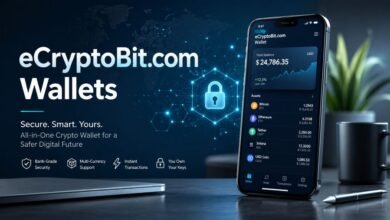
The financial world has changed dramatically over the last decade. Traditional banking is no longer limited to physical branches, paper statements, or long waiting times for international transfers. Modern users expect speed, flexibility, and full control over their finances directly from their smartphones. This demand has fueled the rise of fintech platforms that combine mobile banking, IBAN accounts, payment cards, SEPA transfers, and crypto wallets into one seamless ecosystem.
Today’s consumers are looking for more than just a bank account. They want an all-in-one financial solution that allows them to manage fiat currencies and cryptocurrencies side by side, send payments globally, store digital assets securely, and monitor every transaction in real time. A multi-wallet fintech platform answers these needs by bringing banking and crypto services together in one intuitive application.
A New Era of Mobile Banking
Mobile banking has become the foundation of modern financial management. Instead of relying on outdated banking systems, users can now open accounts online within minutes, verify their identity digitally, and instantly gain access to essential financial tools. Fintech applications simplify everyday money management by offering user-friendly interfaces, fast onboarding, and 24/7 account access.
One of the most valuable features of these platforms is the ability to hold personal IBAN accounts. With an IBAN account, users can receive salaries, pay bills, send bank transfers, and manage daily expenses just like with a traditional bank. However, unlike conventional banking systems, fintech apps provide a far more flexible and digital-first experience.
Users can monitor spending, categorize transactions, freeze or unfreeze cards instantly, and receive real-time payment notifications directly from their mobile devices. This level of control empowers individuals and businesses to manage finances more efficiently without the limitations of legacy banking institutions.
One Platform for Fiat and Crypto Assets
One of the biggest innovations in fintech is the ability to manage both traditional currencies and cryptocurrencies in one application. Historically, users needed separate banking apps, crypto exchanges, and digital wallets to handle different types of assets. This fragmented experience often created confusion and inefficiency.
Modern fintech platforms solve this problem by introducing multi-wallet systems that support both fiat currencies and digital assets simultaneously. Users can store euros, dollars, or pounds alongside cryptocurrencies such as Bitcoin, Ethereum, and stablecoins without switching between platforms.
A fully integrated fiat wallet allows users to hold traditional currencies securely while accessing everyday banking functions such as transfers, card payments, and bill management. At the same time, built-in crypto wallets enable users to buy, sell, exchange, and store digital assets directly from the same application.
This unified approach simplifies financial management significantly. Instead of juggling multiple accounts and services, users gain one centralized dashboard for all their financial activities.
Simplified International Transfers with SEPA
International payments have traditionally been associated with high fees, long processing times, and complex banking procedures. Fintech applications are changing this landscape through integrated SEPA transfer functionality.
The Single Euro Payments Area, commonly known as SEPA, allows users to send and receive euro-denominated payments across Europe quickly and efficiently. Fintech apps streamline this process even further by enabling transfers directly within the mobile application.
For freelancers, remote workers, online businesses, and international entrepreneurs, SEPA integration offers substantial advantages. Payments can be processed faster, transaction fees are often lower, and users can manage cross-border transfers without dealing with traditional banking limitations.
The convenience of handling SEPA transfers alongside crypto transactions and everyday banking activities creates a truly modern financial experience. Users can move money across borders while simultaneously managing digital assets from the same interface.
Smart Cards for Everyday Payments
Payment cards remain an important part of daily financial activity, and fintech platforms have modernized how cards function in the digital era. Most fintech applications offer both physical and virtual cards connected directly to user balances.
Virtual cards provide an extra layer of security for online purchases and subscriptions. They can often be generated instantly, frozen temporarily, or replaced with minimal effort. This flexibility helps users reduce fraud risks while maintaining convenient access to digital payments.
Physical debit cards connected to fintech accounts offer contactless payments, ATM withdrawals, and international spending capabilities. Because these cards are integrated into the fintech ecosystem, users can monitor every transaction in real time from their smartphones.
Some advanced platforms also support crypto-linked card functionality. This allows users to convert cryptocurrencies into fiat currency automatically during purchases, making digital assets more practical for everyday spending.
The combination of cards, mobile banking, and crypto management gives users greater flexibility than traditional banking systems can typically provide.
Enhanced Financial Control and Transparency
Modern users value transparency and control over their financial activities. Fintech applications provide detailed insights into spending habits, account balances, and transaction histories directly within the app.
Users can categorize expenses, set budgeting goals, receive instant alerts, and monitor account activity 24/7. These tools help individuals make more informed financial decisions while improving overall money management.
Security also plays a major role in fintech innovation. Advanced applications use biometric authentication, encryption technologies, two-factor authentication, and fraud detection systems to protect user accounts and digital assets.
In addition, users often have direct control over card settings, transfer permissions, and wallet access. Features such as instant card freezing or spending limit adjustments can be managed without contacting customer support or visiting a branch office.
This level of accessibility and self-management represents a major improvement over traditional financial systems.
Multi-Wallet Services for the Digital Economy
As the global economy becomes increasingly digital, multi-wallet financial services are becoming more important than ever. Consumers now participate in a wide range of online financial activities, including e-commerce, freelance work, crypto investing, international business, and digital subscriptions.
A unified fintech platform simplifies participation in this evolving economy by bringing all essential financial tools together. Users can:
- Hold multiple fiat currencies
- Store cryptocurrencies securely
- Send and receive SEPA transfers
- Use virtual and physical payment cards
- Exchange fiat and crypto assets instantly
- Track all transactions from one dashboard
- Access financial services globally through mobile devices
This level of integration creates a seamless experience for users who need flexibility and mobility in their financial lives.
The Future of Financial Services
The growing popularity of fintech applications signals a broader shift in how people think about banking and money management. Traditional financial institutions are no longer the only option for consumers seeking secure and reliable financial services.
Fintech companies are introducing innovative solutions that prioritize speed, accessibility, and convenience while combining banking and cryptocurrency services into unified ecosystems. This approach appeals especially to younger, tech-savvy consumers who expect digital-first experiences.
As cryptocurrencies continue to gain mainstream adoption and digital payments become increasingly common, the demand for integrated financial platforms will continue to grow. Users want applications that can support both traditional and emerging financial systems without unnecessary complexity.
The ability to manage fiat and crypto assets side by side is quickly becoming a defining feature of modern financial technology.
Conclusion
A fully integrated fiat wallet allows users to hold traditional currencies securely while accessing everyday banking functions such as transfers, card payments, and bill management. These platforms provide users with a smarter, faster, and more efficient way to manage money in the digital age.
By integrating traditional banking services with cryptocurrency management, fintech companies are creating comprehensive financial ecosystems that support modern lifestyles and global connectivity. From international transfers to everyday purchases and crypto investing, users can handle all aspects of their finances within a single application.
As financial technology continues to evolve, multi-wallet fintech platforms will play an increasingly important role in simplifying money management and expanding access to digital financial services worldwide.
READ ALSO: Why Smart Features Are Becoming Standard in New Homes