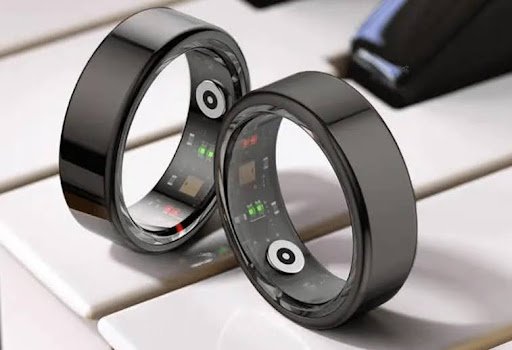
In recent years, wearable technology has transformed how individuals monitor their well-being. Among the most innovative devices to emerge is the health tracker ring, a compact yet powerful tool designed to collect meaningful health data without the bulk of a wristband or smartwatch. As more people prioritize preventive care and real-time health insights, these rings are becoming a major trend in personal wellness technology.
This article explores how health tracker rings work, their advantages, key features, and how they compare to Affordable fitness wearables that are also shaping the market.
What Is a Health Tracker Ring?
A health tracker ring is a lightweight wearable device designed to be worn on the finger, much like a traditional ring. However, inside its small frame are advanced sensors capable of measuring biometrics such as heart rate, sleep quality, activity levels, and even body temperature trends.
Unlike large fitness trackers or smartwatches, these rings prioritize minimalism, comfort, and discrete data tracking. Their design makes them suitable for continuous, 24/7 monitoring without interrupting daily routines or sleep.
How Health Tracker Rings Work
Health tracker rings rely on a combination of optical sensors, temperature sensors, and accelerometers to gather data. Here’s how each component functions:
1. Optical Sensors
These sensors use photoplethysmography to measure heart rate by sending light into the skin and interpreting how blood absorbs or reflects that light. This technology provides:
- Resting and active heart rate
- Heart rate variability (HRV)
- Stress level indicators
2. Temperature Sensors
Temperature changes can indicate illness, hormonal shifts, or recovery status. Continuous temperature tracking allows the ring to:
- Detect early signs of fever
- Predict menstrual cycles
- Monitor recovery and fatigue
3. Accelerometers
Motion sensors help determine physical activity, steps, and even sleep phases. Combined with heart rate data, they can deliver deeper insights, such as:
- Sleep cycles (light, deep, REM)
- Daily activity levels
- Calorie estimates
This multi-sensor approach transforms a simple ring into a powerful health monitoring tool.
Why Health Tracker Rings Are Gaining Popularity
The rise in health tracker rings is driven by technological advancements, changing lifestyle habits, and the desire for more personalized health insights.
### 1. Discreet and Comfortable Design
Many people prefer not to wear a bulky device all day. A ring offers seamless comfort and blends into any outfit without drawing attention.
2. Accurate Overnight Tracking
Since the hand remains relatively still during sleep, a ring can capture more accurate nocturnal biometrics compared to wrist-based wearables.
3. Continuous Wellness Monitoring
From fitness enthusiasts to individuals managing chronic conditions, users value the ability to check their health status anytime.
4. Focus on Preventive Health
With the ability to detect early physiological changes, a health tracker ring encourages proactive care rather than reactive treatment.
Key Features to Look for in a Health Tracker Ring
If you’re considering purchasing one, here are essential features to evaluate:
### 1. Battery Life
Because rings are smaller than smartwatches, battery efficiency is crucial. High-quality rings offer between 4 to 7 days of battery life per charge.
2. Compatibility
Most rings sync with smartphone apps, providing dashboards, insights, and wellness scores. Ensure your device supports your phone’s operating system.
3. Durability
A good ring should be scratch-resistant, water-resistant, and durable enough for daily use.
4. Comfort and Fit
The ring should feel natural on your finger. Many companies offer sizing kits to help users find the perfect fit.
5. Data Insights
The value of a health tracker ring lies not only in data collection but also in how that data is interpreted. Look for devices that offer personalized insights and actionable recommendations.
How Health Tracker Rings Compare to Affordable Fitness Wearables
When choosing between a health tracker ring and Affordable fitness wearables, it helps to compare their advantages and limitations.
### 1. Design and Comfort
- Health tracker ring: More discreet, lightweight, and ideal for constant wear.
- Affordable fitness wearables: Usually wrist-based; may feel bulky but often include visual displays.
2. Accuracy
Rings often outperform wristbands in sleep tracking and heart rate variability due to finger-based sensor placement. Fitness wearables, however, may offer more real-time activity metrics due to built-in screens.
3. Features
Affordable fitness wearables sometimes offer GPS, workout modes, and on-screen notifications. Rings typically skip these to maintain discreet design and long battery life.
4. Cost
While some health tracker rings fall into premium pricing categories, Affordable fitness wearables remain accessible to a wider audience. However, the value lies in the type of data the user considers most important.
Who Should Consider a Health Tracker Ring?
A health tracker ring is ideal for:
### 1. Sleep Enthusiasts
Those looking to improve their sleep quality will benefit from accurate night-time tracking.
2. Wellness-Focused Individuals
People who want continuous data on heart rate, stress, and body temperature will appreciate the ring’s holistic insights.
3. Minimalists
Anyone who prefers subtle, non-intrusive wearables will find the ring’s design appealing.
4. Athletes and Fitness Users
Although rings may not track workouts as extensively as wrist wearables, athletes can use them for recovery analysis through HRV and sleep data.
The Future of Health Tracking Technology
The future of wearable wellness technology continues to evolve rapidly. Health tracker rings represent a shift toward compact, more intelligent devices that integrate seamlessly into everyday life. Advances in sensor accuracy, AI-powered insights, and integration with healthcare systems will continue to push these devices into mainstream use.
We can expect future rings to include even more capabilities, such as blood oxygen monitoring, hydration tracking, and improved stress detection. As companies compete to innovate, users will gain access to deeper, more personalized wellness data.
Conclusion
The health tracker ring is more than just a stylish accessory; it is a state-of-the-art wellness tool designed for modern lifestyles. Offering accurate biometric tracking, discreet design, long battery life, and actionable insights, these rings serve as powerful companions for anyone seeking to improve their health.
When compared to Affordable fitness wearables, rings stand out in accuracy and comfort while maintaining sleek minimalism. As technology continues to advance, health tracker rings will likely become an essential part of personal wellness strategies worldwide.
If you’re looking for a compact, comfortable, and intelligent way to monitor your health, the health tracker ring may be the perfect device to support your daily well-being and long-term health journey.