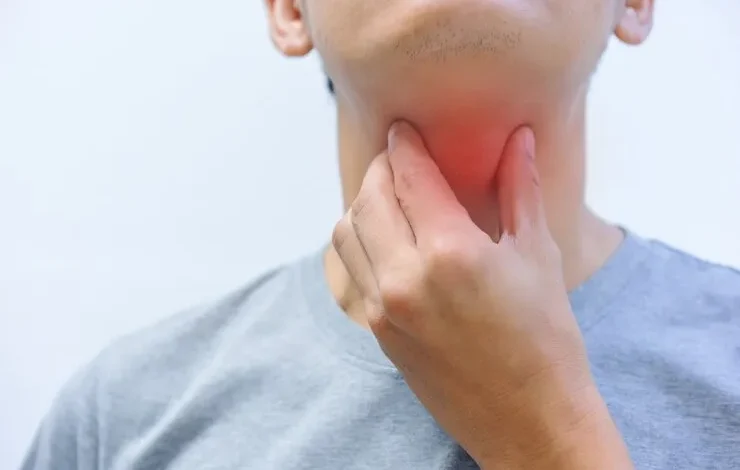
Sialendoscopy is a minimally invasive procedure used to examine and treat problems within the salivary glands. It is increasingly becoming the preferred approach for managing conditions such as salivary gland stones, strictures, and chronic infections. For patients seeking head and neck surgery in London, understanding what to expect during a sialendoscopy can help alleviate concerns and prepare them for the procedure.
What Is Sialendoscopy?
The Purpose of Sialendoscopy
Sialendoscopy is performed using a small, flexible or semi-rigid endoscope inserted into the salivary ducts. The procedure allows surgeons to visualise the inside of the ducts, remove stones, dilate narrow passages, and treat other blockages. Unlike traditional surgery, which may involve large incisions, sialendoscopy is less invasive, often resulting in faster recovery and minimal scarring.
Conditions Treated with Sialendoscopy
Sialendoscopy is commonly used to treat several conditions affecting the salivary glands, including:
- Salivary stones (sialolithiasis): These are mineralised deposits that can block the ducts and cause swelling and pain.
- Duct strictures: Narrowing of the salivary ducts can restrict saliva flow and lead to recurrent infections.
- Chronic sialadenitis: Long-term inflammation of the salivary glands that may cause discomfort and swelling.
- Obstructive disorders: Any blockage in the ducts that affects saliva flow.
By addressing these conditions with sialendoscopy, patients can often avoid more invasive surgical procedures.
Preparing for the Procedure
Initial Consultation
Before undergoing sialendoscopy in London, patients will typically have an initial consultation with a specialist in head and neck surgery. During this consultation, the surgeon will review the patient’s medical history, conduct a physical examination, and possibly order imaging tests such as an ultrasound or MRI. These steps help confirm the diagnosis and plan the procedure.
Pre-Procedure Instructions
Patients are usually advised to follow certain instructions prior to sialendoscopy, including:
- Avoiding food and drink for a specified period if sedation or general anaesthesia is planned.
- Informing the surgeon about any medications being taken, especially blood thinners.
- Discussing any known allergies or medical conditions that could affect the procedure.
Following these guidelines helps reduce risks and ensures the procedure proceeds smoothly.
The Sialendoscopy Procedure
Anaesthesia Options
Sialendoscopy can be performed under local anaesthesia, sedation, or general anaesthesia, depending on the complexity of the procedure and the patient’s comfort level. Local anaesthesia is often sufficient for simpler procedures, while general anaesthesia may be preferred for more extensive treatments or for patients who feel anxious.
Step-by-Step Process
- Insertion of the Endoscope: The surgeon gently inserts the endoscope into the salivary duct through the natural opening in the mouth. The device is equipped with a camera and light to provide a clear view of the duct.
- Visualisation and Assessment: The surgeon examines the duct for stones, strictures, or other abnormalities. The live images displayed on a monitor help guide the procedure.
- Treatment of the Condition: If stones are present, small tools can be passed through the endoscope to remove them. Narrowed ducts may be dilated to improve saliva flow. In some cases, saline may be used to flush out debris.
- Completion: Once the duct is cleared and examined, the endoscope is removed. The surgeon ensures that the duct is functioning properly and that there are no immediate complications.
Duration of the Procedure
Sialendoscopy typically takes between 30 minutes to one hour, depending on the complexity of the case. Patients are usually able to go home the same day if the procedure is performed under local anaesthesia or sedation.
Recovery and Aftercare
Immediate Post-Procedure Care
After sialendoscopy, patients may experience mild swelling, soreness, or bruising around the affected gland. These symptoms are usually temporary and can be managed with over-the-counter pain relievers. Cold compresses may also help reduce discomfort.
Diet and Activity
Patients are generally encouraged to eat soft foods and stay well-hydrated in the first 24 to 48 hours. Chewing gum or sour candies may stimulate saliva flow, aiding recovery. Normal activities can usually be resumed within a day or two, but strenuous exercise should be avoided for a short period as advised by the surgeon.
Follow-Up Appointments
A follow-up visit is often scheduled to monitor healing and ensure the salivary gland is functioning properly. Any recurrence of symptoms, such as pain or swelling, should be reported to the specialist promptly.
Benefits of Sialendoscopy
Minimally Invasive Approach
One of the main advantages of sialendoscopy is its minimally invasive nature. The procedure avoids large incisions, reducing the risk of scarring and infection.
Faster Recovery
Because sialendoscopy is less invasive than traditional surgery, patients typically experience a quicker recovery and can return to their daily activities sooner.
High Success Rate
Sialendoscopy has a high success rate in removing stones and resolving blockages in the salivary glands. Many patients experience immediate relief from symptoms such as pain and swelling.
Preservation of Salivary Glands
Unlike more invasive procedures that may involve gland removal, sialendoscopy allows for the preservation of the salivary glands, maintaining normal saliva production.
Choosing a Specialist in London
Expertise in Head and Neck Surgery
Selecting a surgeon experienced in head and neck surgery in London is crucial for a successful sialendoscopy. Specialists with extensive experience in sialendoscopy techniques can effectively manage complex cases and minimise complications.
Facility and Equipment
Patients should seek a clinic or hospital equipped with modern endoscopic tools and facilities. High-quality equipment enhances the safety and effectiveness of the procedure.
Patient-Centred Care
A patient-centred approach ensures that the patient is fully informed about the procedure, risks, and recovery process. Good communication between the patient and surgeon is essential for a positive experience.
Conclusion
Sialendoscopy is a safe and effective procedure for diagnosing and treating salivary gland disorders. For patients seeking head and neck surgery in London, understanding the steps involved, the preparation required, and the expected recovery can make the process less intimidating. With a minimally invasive approach, faster recovery times, and high success rates, sialendoscopy offers a valuable alternative to traditional surgical methods, preserving salivary gland function and improving overall quality of life.
Patients considering this procedure should consult with a qualified specialist to ensure the best outcome and receive personalised guidance tailored to their condition.