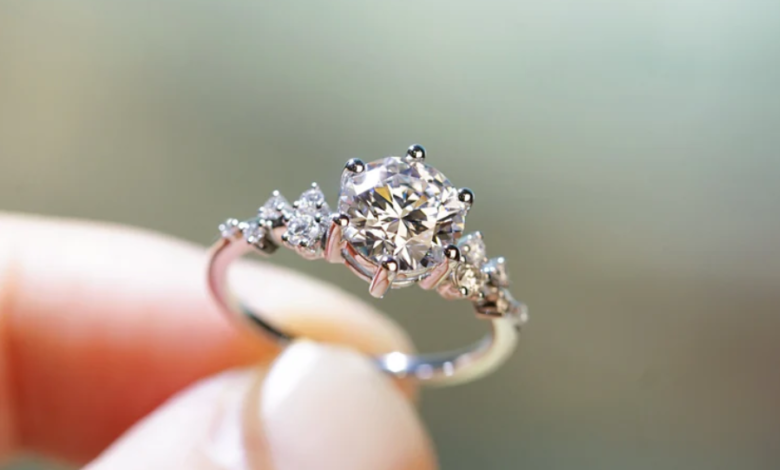
After receiving a first appraisal or purchase offer, many diamond owners wonder whether the figure is fair or whether another professional might see the jewelry differently. Seeking an additional opinion can provide useful context, but the goal should not be to collect the highest possible number without understanding what each figure represents.
A second appraisal or offer may reveal differences in expertise, market focus, operating costs, and resale strategy. It can also help the owner distinguish between an estimated value prepared for a specific purpose and the amount a buyer is actually willing to pay.
Not Every Valuation Answers the Same Question
An appraisal is generally a professional opinion of value prepared for a stated purpose and date. It may be intended for insurance, personal records, estate planning, division of property, or another defined use.
Replacement value, for example, often estimates what it could cost to obtain a comparable piece through a retail market. That figure may include design, branding, store expenses, customer service, and retail margin.
Fair market value considers a different context, usually involving informed parties acting without unusual pressure. Its meaning still depends on the market, date, and assumptions used.
A purchase offer is different again. It is the amount a buyer is prepared to pay under current business conditions. Before comparing numbers, the owner should confirm that they are intended to answer the same question.
Different Specialists May See Different Opportunities
Not every appraiser or buyer serves the same market. One may specialize in loose diamonds, while another may focus on complete branded jewelry, vintage pieces, or unusual designs.
This can influence how the different parts of a piece are viewed. The center diamond may be the main source of value for one buyer, while another may also recognize demand for the setting, smaller stones, craftsmanship, brand, or period design.
Differences in expertise do not automatically mean that one professional is correct and another is mistaken. They may simply be considering different customers and resale possibilities.
Inventory and Customer Demand Matter
A buyer’s current inventory can influence a commercial offer. A business that already owns several diamonds of a similar shape, size, and quality may have less reason to purchase another immediately.
Another buyer may have a customer actively looking for those exact characteristics. The same diamond can therefore fit one business more naturally than another.
Resale channels also vary. A diamond may be offered through a physical store, specialist network, online marketplace, auction, or private client base. Each channel carries different costs, timelines, and levels of uncertainty.
Liquidity describes how easily an item can be converted into money. A diamond with broad consumer appeal may be easier to resell, although that does not necessarily make it more valuable than a rarer stone with a smaller specialist market.
Physical Limitations Can Affect the Result
A mounted diamond may be harder to assess precisely than a loose stone. The setting can prevent direct weighing, hide parts of the surface, and influence how the color appears.
Carat refers to weight, color describes the degree of tint, clarity concerns internal and surface characteristics, and cut reflects the proportions and workmanship that influence brilliance.
Shape is different from cut. It describes the outline, such as round, oval, cushion, emerald, or pear. Demand for particular shapes can change with fashion and market preferences.
When the stone remains in its setting, one appraiser may provide an estimated range while another may use different assumptions. These limitations should be explained rather than hidden.
Use the Same Information Every Time
A fair comparison requires consistency. Bring the same grading report, purchase receipt, earlier appraisal, warranty, repair records, photographs, and brand documents to each appointment.
The process of comparing diamond appraisals before selling becomes more meaningful when every professional examines the same jewelry in the same condition and receives the same background information.
If one evaluator is told about a repair or replaced side stone while another is not, the resulting figures may differ because the information was incomplete rather than because the professionals disagreed.
Record the date of each appraisal, the documents provided, the condition of the piece, and whether the figure is replacement value, fair market value, or a direct purchase offer.
Ask What the Figure Includes
A total number can be misleading unless the owner knows which components are included. Ask whether the appraisal or offer covers the center diamond, side stones, setting, precious metal, brand, and design.
If a buyer is interested only in the main stone, clarify whether the remaining jewelry will be returned, valued separately, or included without an individual price.
It is also important to distinguish between a gross offer and net proceeds, which means the amount the seller receives after deductions. Testing, certification, shipping, insurance, commission, and consignment fees may affect the final result depending on the business model.
A higher headline figure may be less attractive if it involves significant charges, delayed payment, unclear documents, or greater delivery risk.
Direct Sale and Consignment Are Different
A direct purchase provides an agreed price for an immediate sale. Consignment means the business markets the jewelry on the owner’s behalf and pays only after another customer buys it.
A consignment price may appear higher, but the owner must consider commission, storage, insurance arrangements, selling time, minimum price, and the right to withdraw the item.
These two structures should not be compared as though they offer the same certainty or payment schedule. The net amount and practical conditions matter as much as the displayed figure.
More Opinions Are Useful Only When They Are Relevant
Seeking another appraisal takes time, and some professional valuations involve a fee. It is not always necessary to obtain numerous opinions.
A second view may be particularly useful when the jewelry is valuable, unusual, branded, vintage, poorly documented, or difficult to assess while mounted. It may also help when the first explanation is incomplete or the owner is comparing different selling methods.
For a straightforward insurance update with a suitable independent appraiser, or for an item whose likely value does not justify repeated fees and appointments, one well-explained appraisal may be sufficient.
The appropriate number depends on the purpose, complexity, expected value, available time, and the owner’s confidence in the information received.
Compare Transparency as Well as Price
A useful appraisal should explain the jewelry’s characteristics, current condition, assumptions, limitations, valuation date, and type of value.
A commercial buyer should also explain the offer, deductions, payment method, offer period, and transfer of ownership. If the jewelry must be left for further examination, the owner should receive a written acknowledgement describing the item, condition, date, purpose, and responsible person.
Photographs provide a helpful personal record but do not replace formal documentation from the business.
Before accepting any offer, the seller should understand when payment will arrive and how receipt will be confirmed. A message or screenshot stating that funds have been sent may not prove that the money has been received.
Different Figures Do Not Automatically Signal a Problem
Two credible professionals can produce different results because they are working with different purposes, markets, customers, costs, or assumptions.
The owner should not use the highest appraisal as a demand that every buyer match it. Instead, the differences should prompt questions about what each number includes and why it was calculated.
An independent appraiser may provide information for a defined valuation purpose, while a buyer presents a commercial offer. Neither role is automatically superior, but the context should be disclosed clearly.
Obtaining more than one appraisal or offer can help a diamond owner understand the stone, the market, and the available selling options more fully. It is a useful choice rather than a rule for every transaction.
The strongest comparison uses the same documents and condition information, separates appraisal values from purchase offers, and considers net proceeds, payment timing, transparency, and security alongside price. The purpose is not simply to find the largest number, but to reach a decision supported by clear explanations and terms the owner understands.
READ ALSO: Jade & Graphite Cutting: See the Diamond Difference