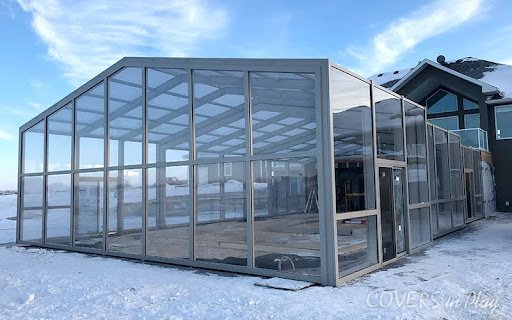
For many homeowners, enjoying a backyard pool year-round can be challenging. Seasonal changes, extreme weather, and high energy costs often limit how long a pool can be used. Covered pools offer an ideal solution, protecting from the elements while improving energy efficiency. In this article, we’ll explore how these structures extend swimming seasons, reduce energy consumption, enhance safety, and make pool maintenance easier, helping you get the most out of your investment.
What Are Covered Pools?
Covered pools are swimming pools protected by a structure or material that shields the water from external elements. These enclosures can range from permanent or retractable designs to inflatable and temporary solutions. The primary purpose of such a pool cover is to create a controlled environment that extends usability, maintains water quality, and ensures safety. Materials used often include polycarbonate, PVC, or UV-resistant fabrics, all designed to withstand weather and provide long-lasting protection. By preventing debris accumulation and heat loss, this type of pool offers both convenience and energy savings.
Benefits of Covered Pools
Extend Your Swimming Season
One of the most significant advantages of covered pools is that they allow homeowners to swim comfortably throughout the year. Traditional pools are often limited to warm months, but with a cover, water temperature is maintained, and swimmers are protected from cold winds or rain. Whether it’s a chilly spring morning or a crisp autumn day, a covered pool ensures you can enjoy a swim anytime, making the pool a more valuable and enjoyable part of your home.
Energy Efficiency and Cost Savings
A key benefit of covered pools is energy efficiency. By trapping heat, pool covers reduce the need for electric or gas heaters, leading to noticeable savings on utility bills. Additionally, they prevent excessive water evaporation, which decreases the need to refill and rebalance chemicals. Over time, these energy and maintenance savings make them a smart investment for homeowners who want to enjoy their pool without overspending.
Enhanced Safety
Safety is another critical factor. Covered pools provide a protective barrier that helps prevent accidents, especially for families with children or pets. Many covers come with lockable features or rigid frames, ensuring the pool area remains secure when not in use. With this added layer of protection, homeowners can have peace of mind knowing their pool is safer throughout the year.
Reduced Maintenance
Maintaining a pool can be time-consuming, particularly when it collects leaves, dirt, or debris. Covered pools significantly reduce the amount of cleaning required by preventing unwanted materials from entering the water. This means fewer chemicals, less skimming, and reduced wear on filtration systems. A cover also minimizes the risk of algae growth by limiting direct sunlight exposure, helping you enjoy a clean, inviting pool with minimal effort.
Comfort and Protection
Covered pools create a comfortable swimming environment by shielding users from wind, rain, and harmful UV rays. Even in hot summer months, a UV-protective cover can reduce direct sunlight exposure, preventing sunburn while keeping the water temperature pleasant. In colder months, the cover traps heat, ensuring that swimmers remain comfortable. Overall, they enhance the swimming experience in all weather conditions.
Types of Covered Pools
Permanent or Fixed Covers
Permanent covers are robust, long-lasting structures made from durable materials like aluminum frames and polycarbonate panels. These covered pools offer maximum protection and are ideal for homeowners looking for a long-term solution. Although they require a higher initial investment, their durability and low maintenance needs make them a cost-effective choice over time.
Retractable Covers
Retractable covers provide flexibility, allowing homeowners to open or close the pool depending on weather conditions or personal preference. These covers combine the benefits of an open pool experience with the protection of a covered pool, making them perfect for families in regions with variable weather.
Inflatable or Temporary Covers
Inflatable or temporary covers are cost-effective and easy to install. Ideal for seasonal use or smaller pools, these covers protect without permanent installation. While they may not be as durable as fixed or retractable covers, they offer a practical solution for homeowners seeking a budget-friendly option.
How Covered Pools Save Energy
Energy savings are one of the most compelling reasons to invest in covered pools. By creating a barrier around the water, the cover prevents heat from escaping, reducing the need for pool heaters. Less evaporation also means lower water replacement costs, while chemical usage is minimized because the water remains cleaner for longer. Over time, these energy savings can be substantial, making a covered pool both environmentally friendly and cost-effective.
Choosing the Right Cover for Your Pool
Selecting the ideal cover for your covered pool requires careful consideration. Factors to evaluate include pool size and shape, material durability, and maintenance needs. Optional features such as UV protection, automation, and ventilation can further enhance usability and convenience. Budget is also an important consideration, investing in a high-quality cover ensures long-term value, energy savings, and increased comfort for swimmers.
Installation and Maintenance Tips
Installing a covered pool can range from a simple DIY setup for temporary covers to professional installation for permanent or retractable designs. Regular maintenance is essential for durability and safety, including cleaning the cover, checking for damage, and ensuring mechanical parts are functional. Seasonal inspections and proper care prolong the life of the cover, maximizing both safety and energy efficiency.
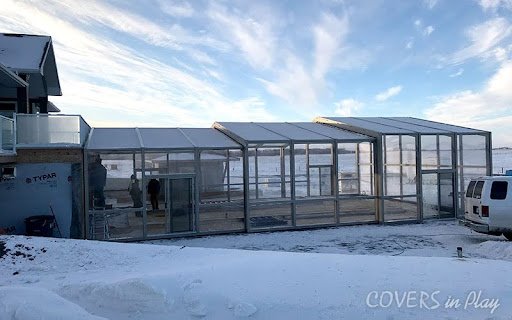
How Pool Covers Complement Covered Pools
For homeowners looking to maximize the benefits of a covered pool, pairing it with a high-quality pool cover is highly recommended. Pool covers help maintain water temperature, keep debris out, and provide additional safety when the pool is not in use. Many modern covers are designed to work seamlessly with covered pools, making it easy to enjoy a cleaner, safer, and more energy-efficient swimming experience all year round. Investing in a durable, user-friendly cover ensures your pool remains protected and enjoyable in any season.
Conclusion
Covered pools are an essential addition for any backyard, offering year-round usability, energy efficiency, enhanced safety, and reduced maintenance. By selecting the right type of cover and maintaining it properly, homeowners can enjoy swimming in comfort regardless of weather conditions. Whether you choose a permanent, retractable, or temporary cover, covered pools provide long-term value, making them a smart investment for both enjoyment and cost savings.
Frequently Asked Questions:
- What are covered pools?
Pools are protected by a structure or material to extend usability and safety. - How do covered pools extend the swimming season?
They maintain water temperature and shield swimmers from cold and rain. - How do covered pools save energy?
By trapping heat, reducing heater use, and minimizing water evaporation. - Are covered pools safer?
Yes, they act as a barrier to prevent accidents for children and pets. - Do covered pools reduce maintenance?
Yes, they keep out debris, reduce chemical use, and limit algae growth.