The construction industry in the United States is changing fast. Labor is harder to find, project timelines are tighter, and material costs keep climbing. In this environment, more contractors and builders are moving away from traditional stick framing and turning to prefabricated wall panels instead. This shift is not a trend — it is quickly becoming the new standard for residential and commercial framing across the country.
What Is the Difference?
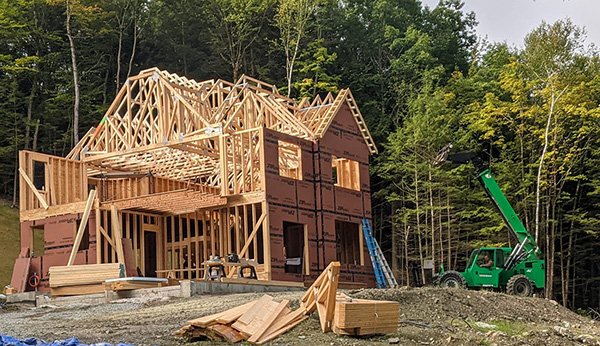
Traditional stick framing means building walls piece by piece on the job site. Workers cut lumber, assemble studs, add headers, and nail everything together by hand — one wall at a time. It has been the go-to method in American construction for decades.
Prefabricated wall framing, on the other hand, means the wall panels are built in a factory or off-site facility and then delivered to the job site ready to stand up. The panels arrive pre-cut, pre-assembled, and sometimes even pre-sheathed. All the crew has to do is set them in place and fasten them.
The difference in speed alone is significant. A framing crew that might spend three to four days sticking out a house can often stand the same structure in a single day using prefabricated panels.
Why Contractors Are Making the Switch
Labor savings are the number one reason. Skilled framers are in short supply across the country, especially in high-growth markets like Texas, Florida, and the Southeast. With prefab panels, you need fewer hands on site and less time per project. That directly reduces your labor cost per unit.
Speed is the second big driver. Faster framing means faster inspections, faster drywall, and faster close-out. On production home builds or multi-unit commercial projects, shaving even two or three days off the framing phase adds up quickly across multiple jobs.
Waste reduction is another major factor. In traditional stick framing, job site lumber waste is a known cost — off-cuts, damaged material, and over-ordering all add up. Prefab panels are manufactured to exact dimensions, which means far less waste at the site level.
This is exactly where accurate planning matters most. Contractors who invest in professional lumber estimating services before ordering materials for prefab projects avoid costly over-orders and keep their framing budgets tight.
What Material Suppliers Need to Understand
The shift to prefabricated framing changes how lumber moves through the supply chain. Instead of supplying random lengths and letting framers cut on site, suppliers are increasingly being asked to provide precision-cut, graded lumber directly to panel fabricators or modular manufacturers.
This means suppliers who want to stay relevant in the prefab space need to think about consistency, grading accuracy, and delivery reliability more than ever. A panel shop running production lines cannot afford to receive a load of lumber with inconsistent moisture content or mixed grades.
At the same time, the volume per order tends to be higher and more predictable when supplying panel manufacturers compared to individual job site deliveries. That is a real advantage for suppliers who can build those relationships.
The Role of Accurate Quantity Planning
Whether you are a general contractor managing a prefab framing package or a supplier quoting lumber to a panel shop, accurate quantities are critical. Prefab systems remove a lot of the flexibility that traditional framing allows — you cannot easily run to the lumber yard for a few extra boards when panels are already being manufactured off site.
Getting counts right before fabrication begins is essential. That is why many contractors and project managers are now using professional lumber takeoff services during the pre-construction phase. Having a detailed, verified material list before the panels go into production prevents expensive change orders and keeps the schedule on track.
Is Prefab Right for Every Project?
Not always. Custom home builds with unusual geometry, tight urban sites with no staging area, or projects with heavy design changes mid-construction can still favor traditional stick framing for flexibility. But for production housing, tilt-up commercial builds, multi-family projects, and repetitive floor plans, prefab wall framing delivers clear advantages.
Final Thought
The U.S. construction industry is under pressure to build more, faster, and with less labor. Prefabricated wall framing directly addresses all three challenges. Contractors who adopt it early gain a real competitive edge, and material suppliers who adapt to serve the prefab supply chain position themselves for long-term growth.
The shift is already happening. The question is whether your business is ready to move with it.