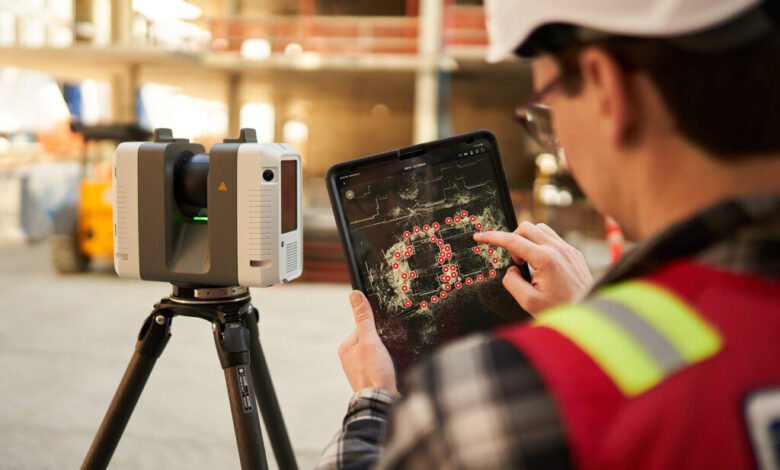
The construction industry in the United States has always been driven by experience, gut instinct, and paper-based processes. For decades, project managers relied on weekly reports, phone calls, and manual updates to track what was happening on a jobsite. But that is changing fast. Real-time jobsite data is now reshaping how contractors and material suppliers manage projects — from the first shovel in the ground to the final punch list.
The Old Way Is No Longer Enough
Think about how a typical construction project used to run. A superintendent would walk the site, take notes, and report back. By the time that information reached the project manager or owner, it was already hours — sometimes days — old. Decisions were made on outdated information, and problems were often discovered too late to avoid costly delays.
In today’s market, where labor is expensive, materials are volatile, and schedules are tight, that lag time is no longer acceptable. Contractors who still rely on manual reporting are at a real disadvantage compared to those using live data tools.
For companies that also rely on accurate pre-construction planning — including construction estimating services — having real-time field data creates a direct feedback loop between what was estimated and what is actually happening on the ground. That connection is becoming one of the most valuable tools in a contractor’s arsenal.
What Real-Time Data Actually Looks Like
Real-time jobsite data comes from several sources — drones, IoT sensors, GPS-equipped equipment, mobile apps, and cloud-based project management platforms. Together, these tools give project teams a live picture of the site at any given moment.
Here is what contractors are tracking in real time today:
- Equipment location and utilization — Know exactly where every machine is and how many hours it has run
- Material deliveries and inventory — Track when materials arrive, where they are staged, and how fast they are being used
- Worker attendance and productivity — Digital check-ins replace paper sign-in sheets
- Safety incidents and near-misses — Reported immediately through mobile apps rather than end-of-day logs
- Weather and site conditions — Automated alerts when conditions affect scheduled work
Each of these data points, when captured in real time, allows project managers to make faster and smarter decisions.
How Material Suppliers Benefit
Real-time data is not just useful for contractors — material suppliers gain a significant advantage when they are plugged into a project’s live data stream.
When a supplier knows exactly how fast materials are being consumed on a jobsite, they can plan deliveries more accurately. This reduces the risk of over-delivery, which ties up the contractor’s storage space, and under-delivery, which halts work. Some of the larger suppliers in the U.S. are already integrating directly with contractor platforms to receive automated reorder triggers based on live consumption data.
This kind of supply chain visibility also reduces the back-and-forth phone calls and emails that waste everyone’s time. When the data speaks for itself, communication becomes faster and more accurate.
Connecting Field Data to Pre-Construction Planning
One area where real-time data is having a surprising impact is in pre-construction. When field teams capture actual production rates, material usage, and labor hours on current projects, that data feeds directly back into future bids and estimates.
Contractors who use takeoff estimating services as part of their pre-construction workflow are finding that real-world field data makes their estimates sharper over time. Instead of relying solely on historical industry averages, they can reference their own actual numbers from similar past projects. The result is more competitive bids and fewer surprises during construction.
Practical Steps for Contractors Ready to Make the Shift
If you are a contractor or supplier looking to start capturing real-time jobsite data, you do not need to overhaul everything at once. Start small:
- Pick one platform — Tools like Procore, Buildertrend, or Fieldwire are good starting points
- Start with daily logs — Digitize your daily reporting before adding sensors or drones
- Train your field team — Technology only works if the people on the ground use it consistently
- Review data weekly — Set a routine to look at what the data is telling you and act on it
Final Thought
Real-time jobsite data is not a trend — it is becoming the new standard in U.S. construction. Contractors and suppliers who embrace it now will be better positioned to win bids, control costs, and deliver projects on time. Those who wait will find themselves playing catch-up in an industry that is moving faster than ever.
The jobsite of tomorrow is already here. The question is whether your team is ready to use it.