Jamie Hull: Powerful Survival, SAS Career and New Purpose
How a British veteran survived a burning aircraft, rebuilt his life and became an inspiring author and speaker

Introduction
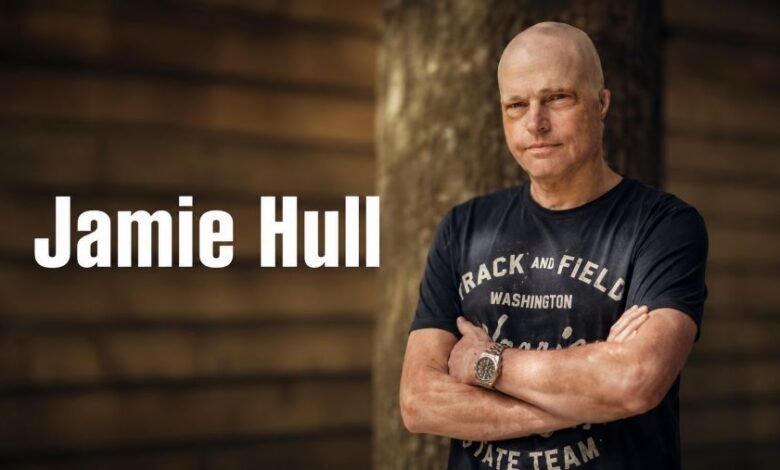
Jamie Hull is a British former police officer, UK Special Forces reservist, adventurer, author and motivational speaker. He became widely known after surviving a burning aircraft accident during pilot training in Florida.
The crash caused life-changing injuries, but it did not end his ambitions. Hull later returned to scuba diving, completed major endurance challenges and began helping veterans rebuild their confidence.
Jamie Hull is best known for surviving a 2007 aircraft fire and sharing his recovery story through his book, charity work and public speaking.
Quick Profile
| Detail | Information |
|---|---|
| Full name | Jamie Hull |
| Nationality | British |
| Profession | Author, motivational speaker and adventurer |
| Former work | Police officer and UK Special Forces reservist |
| Military service | 21 SAS, UK Special Forces Reserve |
| Known for | Surviving a burning aircraft accident |
| Notable book | Life on a Thread: My Story |
| Diving qualification | PADI Course Director |
| Charity role | Help for Heroes ambassador |
| Major sporting event | Invictus Games 2014 |
Early Interest in Adventure and Diving
Adventure became an important part of Jamie Hull’s life long before the aircraft accident that made his story known around the world.
During his younger years, he travelled internationally and explored countries including Australia, New Zealand and Fiji. His travels introduced him to different cultures, outdoor challenges and life beneath the ocean.
In 1996, Hull completed a PADI Open Water course while backpacking in Australia. His first qualifying dives near the Great Barrier Reef created a strong connection with scuba diving.
He continued developing his diving ability and qualified as a PADI Open Water Scuba Instructor. He later worked in the Red Sea, where diving became both a profession and a major personal passion.
Police and Military Career
Hull worked as a police officer before building his military experience through the British Army Reserve.
He received demanding military training and served with 21 SAS, a regiment within the UK Special Forces Reserve. This environment required discipline, clear judgement, teamwork and the ability to remain calm under pressure.
His military background placed him among British veterans whose later careers focused on resilience and leadership. Former Special Forces figures such as Ollie Ollerton have also used their experiences to teach lessons about mental strength and purposeful change.
Hull’s public story does not provide a full record of his operations or deployments. His recognised professional identity is based on his Reserve service, police career, aviation ambitions and later recovery work.
The 2007 Plane Crash
In 2007, Hull travelled to Florida to complete training for his private pilot’s licence. He was 32 years old and close to completing the qualification when a routine solo flight turned into a life-threatening emergency.
At around 1,000 feet, the aircraft’s engine caught fire. Flames entered the cockpit and quickly surrounded his body while the aircraft began losing altitude.
Hull had only seconds to control the burning plane, find a safer landing direction and attempt an escape. He climbed from the cockpit and moved onto the aircraft’s wing.
When the plane was approximately 15 feet above the ground, he jumped. The aircraft continued forward before crashing and exploding a short distance away.
His military preparation helped him remain focused during the emergency. However, escaping the aircraft was only the beginning of a much longer fight for survival.
Burns, Operations and Hospital Treatment
Hull suffered third-degree burns across more than 60 per cent of his body. He also experienced internal injuries, serious tissue damage and nerve damage affecting the lower parts of both legs.
Doctors reportedly gave him only a five per cent chance of survival.
He spent six months receiving intensive treatment in the United States, including a period in an induced coma. His medical complications included renal failure, kidney dialysis, pneumonia and septicaemia.
After returning to Britain, Hull required approximately another 18 months of hospital care. His recovery involved skin grafts and more than 60 surgical operations.
Physical treatment was only one part of the challenge. Hull has spoken openly about losing confidence, struggling with depression and being unable to imagine a meaningful future after the accident.
His experience reflects how recovery can involve both visible injuries and difficult emotional battles. Similar themes of discipline and internal pressure have also appeared in the story of Jonny Wilkinson, although their professional journeys were very different.
Help for Heroes and a New Direction
A major turning point came when Hull joined the Help for Heroes Band of Brothers fellowship in 2011.
The network introduced him to other injured service personnel and gave him opportunities to challenge himself in supportive environments.
Through the charity’s sports recovery programme, Hull took part in physical activities designed to rebuild confidence. One experience allowed him to pilot a bobsled on an Olympic course in Utah.
The challenge helped him understand that his injuries had not removed his potential. Instead of focusing only on what he had lost, he began discovering what he could still achieve.
Hull later became a Help for Heroes ambassador. He now uses his public platform to raise awareness of the organisation and the support available to veterans and their families.
Returning to Scuba Diving
Scuba diving had been one of Hull’s greatest passions before the crash, but his injuries created new fears about returning to the water.
He worried about how his damaged skin would react to saltwater and whether wearing a wetsuit could cause further injury.
Approximately five years after the crash, encouragement from his diving friends helped him take the difficult first step back into the ocean.
Returning to the water became an important part of his physical and emotional recovery. Diving gave him freedom, confidence and a connection with the life he had enjoyed before the accident.
Hull continued his professional training and eventually became a PADI Course Director, one of the most respected instructional ratings in recreational scuba diving.
In an official PADI interview, he explained how he wanted to support divers facing physical or psychological barriers.
His work shares the wider message seen in stories such as Jodie Ounsley, where physical challenges do not prevent someone from developing an influential career.
Invictus Games and Endurance Challenges
Hull represented the United Kingdom at the inaugural Invictus Games in London in 2014.
The international event brought together wounded, injured and sick service personnel through competitive sport. Participation offered Hull another opportunity to test his ability and reconnect with military camaraderie.
He also completed two marathons and took part in the Race Across America with a team of wounded veterans.
The cycling challenge covered approximately 3,000 miles across the United States. Hull and his teammates completed the demanding journey in around seven days.
His other achievements include climbing Mount Kilimanjaro, skydiving, horse riding and winter sports training involving Nordic skiing and ice-sledge hockey.
He also qualified as a UK Mountain Leader. This allowed him to help wounded veterans develop skills through mountaineering and outdoor activities.
Hull’s endurance challenges connect naturally with the adventurous spirit shown by Nick Hancock, whose Rockall expedition also supported Help for Heroes.
Life on a Thread
Hull told his story in the memoir Life on a Thread: My Story.
The book covers his adventurous early years, police and military experiences, aviation training, the aircraft accident and the long process of rebuilding his identity.
Its ebook and audiobook editions were released in 2021, followed by a paperback edition in 2022.
The title reflects how close Hull came to death and how fragile life appeared during the emergency. However, the book is not limited to the crash itself.
It also explores trauma, depression, determination, friendship and the search for a new purpose after a life-changing event.
The memoir received public praise from figures including Ross Kemp, Jeremy Clarkson and Sir Jackie Stewart.
Motivational Speaking Career
Hull developed a career as a motivational speaker after audiences responded strongly to his experiences.
His talks focus on resilience, clear decision-making, leadership, mental strength and remaining calm during high-pressure situations.
Rather than presenting recovery as a quick transformation, Hull explains the difficult stages involved in rebuilding confidence after trauma.
He draws lessons from military training, emergency decision-making, hospital treatment, sport and adventure. These experiences allow him to speak about both personal and professional challenges.
His approach to handling pressure also connects with the lessons shared by former referee and speaker Graham Poll, particularly the importance of judgement, responsibility and learning from difficult moments.
Hull speaks at business conferences, charity events and organisational programmes. His message encourages people to recognise that a serious setback can change their direction without removing their value.
Public Message and Values
Resilience is the central theme of Hull’s public work, but he does not describe it as simply ignoring pain.
His journey shows the importance of accepting support, setting manageable challenges and rebuilding confidence gradually.
Hull has credited veteran organisations, medical professionals, friends and fellow service personnel with helping him move forward.
Service is another important part of his life. After receiving help during his recovery, he began using his qualifications and experiences to support other injured veterans.
His story also highlights the value of purpose. Returning to diving, completing sporting challenges and becoming a speaker gave him goals that extended beyond survival.
One of his clearest public messages is that there can be a meaningful life beyond serious injury.
What Is Jamie Hull Doing Now?
As of June 2026, Jamie Hull remains active as a motivational speaker, author, adventurer and veteran representative.
He continues to be publicly identified as a PADI Course Director and Help for Heroes ambassador.
His speaking work allows him to share practical lessons from military service, the aircraft accident and his long recovery.
He also continues to promote Life on a Thread, which remains the main published account of his experiences.
Hull’s current career is built around helping people approach adversity with patience, discipline and a belief that progress remains possible.
Conclusion
Jamie Hull’s journey is a powerful story of survival, but the aircraft crash is only one part of it.
His military career helped him respond during the emergency, while medical treatment and charity support helped him survive the difficult years that followed.
By returning to diving, competing in the Invictus Games and completing major endurance challenges, he gradually rebuilt his confidence.
Today, his book, public talks and work with veterans transform a deeply personal experience into useful lessons for others.
Jamie Hull’s life demonstrates that recovery is rarely simple or immediate. It is built through support, courage, repeated effort and the willingness to discover a new purpose.
Frequently Asked Questions
Who is Jamie Hull?
Jamie Hull is a British former police officer, UK Special Forces reservist, author, adventurer and motivational speaker.
What is Jamie Hull famous for?
He is famous for surviving a burning aircraft accident during a solo pilot-training flight in Florida in 2007.
What is Jamie Hull’s nationality?
He is British.
Did Jamie Hull serve in the SAS?
He served with 21 SAS as part of the UK Special Forces Reserve.
How badly was Jamie Hull burned?
He suffered third-degree burns across more than 60 per cent of his body.
How many operations did Jamie Hull have?
He underwent more than 60 operations during his recovery.
What book did Jamie Hull write?
He wrote Life on a Thread: My Story, which describes the crash and his recovery journey.
What does Jamie Hull do now?
He works as a motivational speaker, author, adventurer, PADI Course Director and Help for Heroes ambassador.